Signs Your Eastside Retaining Wall Is About to Fail This Winter
The short answer
Watch for leaning or bulging faces, stair-step cracks, blocks separating at joints, soil or water seeping through the wall, and pooling or erosion above it. On the Eastside these accelerate through wet winters as saturated soil pushes against a wall with failing drainage. Early movement means call a pro before a full collapse.
Retaining walls do not usually collapse out of nowhere. They warn you first, sometimes for weeks or months, and the winter is when those warnings turn into failures. As our glacial till saturates through a wet Eastside season, the soil behind a wall grows heavier and pushes harder, and a wall that was quietly struggling all summer can give way during a single atmospheric river. Learning to read the early signs is the difference between a manageable repair and a dangerous collapse.
This guide walks through the specific symptoms of a failing wall and explains the force behind nearly all of them: water. If you own a home on an Eastside slope in Kirkland, Issaquah, Shoreline, or anywhere the ground tilts, these are the things to watch for as the rain sets in, and the steps to take when a wall starts moving during a storm.
Key takeaways
- Leaning, tilting, or bulging in the wall face means soil pressure is winning — a leading indicator of failure.
- Stair-step or diagonal cracking and blocks separating at their joints signal the structure is losing integrity.
- Water or saturated soil seeping through the face points to failed or clogged drainage behind the wall.
- Pooling, erosion, or sinkholes in the soil above the wall show water is undermining it.
- Wet winters accelerate failure as saturated hardpan expands and pushes harder against an already-stressed wall.
- Catch movement early — a wall showing these signs should be evaluated by a pro before it collapses.
Hydrostatic Pressure: The #1 Enemy of Seattle Hillside Walls
Almost every retaining wall failure in our region traces back to one culprit: water pressure. When rain saturates the soil behind a wall and there is nowhere for that water to escape, it builds up and pushes outward with tremendous force. Engineers call this hydrostatic pressure, and it is the single greatest load most residential walls face. A wall designed and drained to relieve that pressure stands; one that traps water does not.
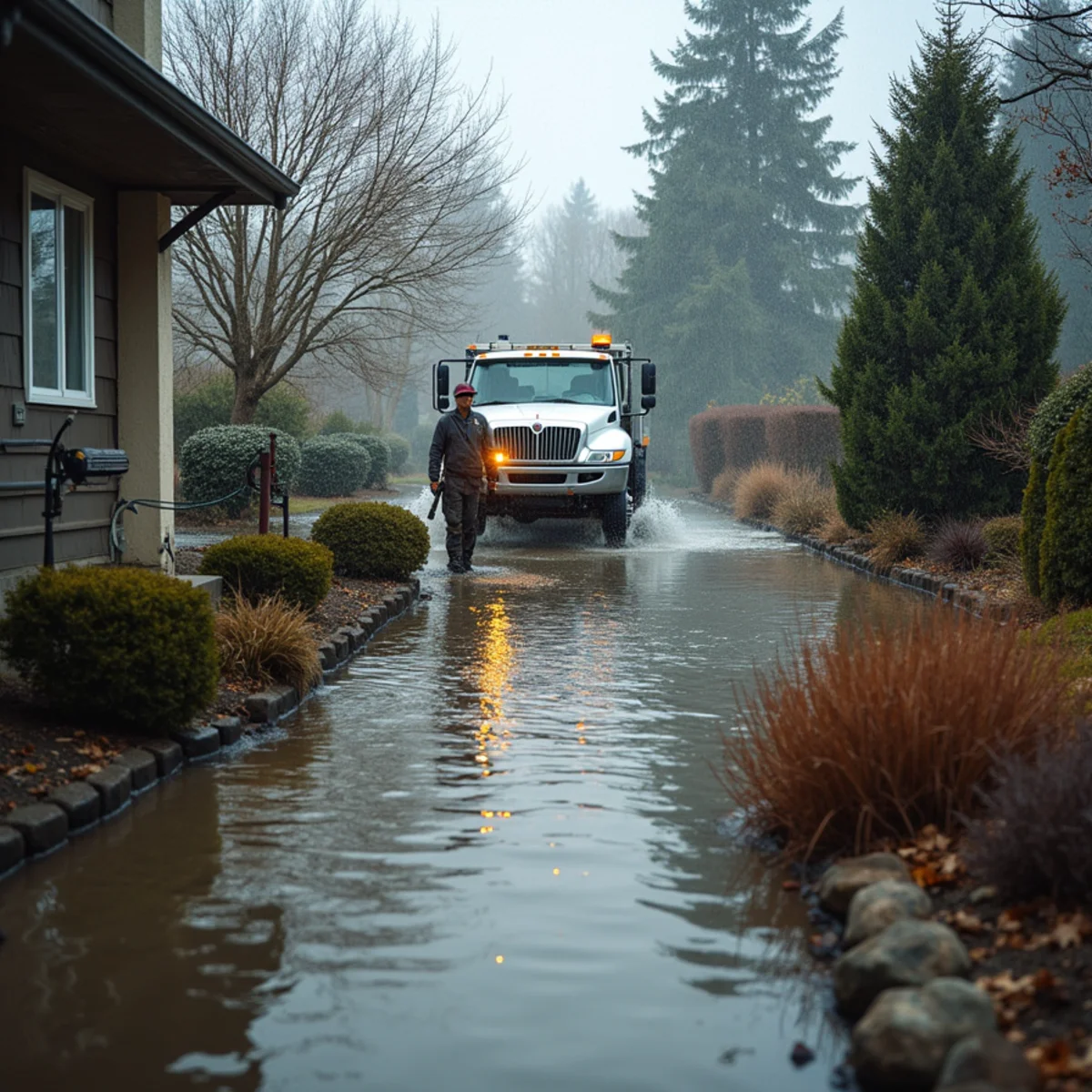
Our climate makes this threat seasonal and severe. With Kirkland averaging roughly 5.45 inches of rain in December alone, and glacial till that sheds water rather than absorbing it, the soil behind a wall can go from damp to fully saturated fast. That saturated soil is far heavier and pushes far harder than the dry summer version, which is exactly why walls that seemed fine all year begin to move once the winter rains arrive.
The defense against hydrostatic pressure is drainage: free-draining rock and a perforated pipe behind the wall that carry water away before it can accumulate. When you see the warning signs below, they are usually telling you that this drainage has failed or was never installed, and that the water now has the upper hand.
Visual Warning Signs: Bowing, Tilting & Forward Shear Cracks
The clearest signals a wall is losing its battle are changes to its shape and alignment. A wall that is bowing or bulging outward in the middle is being pushed by pressure it cannot resist. A wall tilting or leaning forward at the top has begun to rotate under load. Both mean the structure is moving, and movement in a retaining wall is never cosmetic.
Cracking tells a similar story. Vertical or stair-step cracks, and horizontal shear cracks that run along the wall, indicate the wall is being stressed beyond what it was built to handle. Blocks or stones that have slipped out of alignment, gaps opening between sections, or a wall that no longer runs in a straight line are all evidence of active failure. If you can lay a straightedge or sight down the wall and see it is no longer plumb or straight, treat that seriously.
Track these signs over time. A wall that has bowed a little and stayed put for years is different from one that has visibly moved in recent weeks. Progressive movement, especially heading into or during the wet season, is a strong indicator that the wall needs professional attention before a storm finishes the job.
Water Weeping Through Blocks vs Clogged Weep Holes
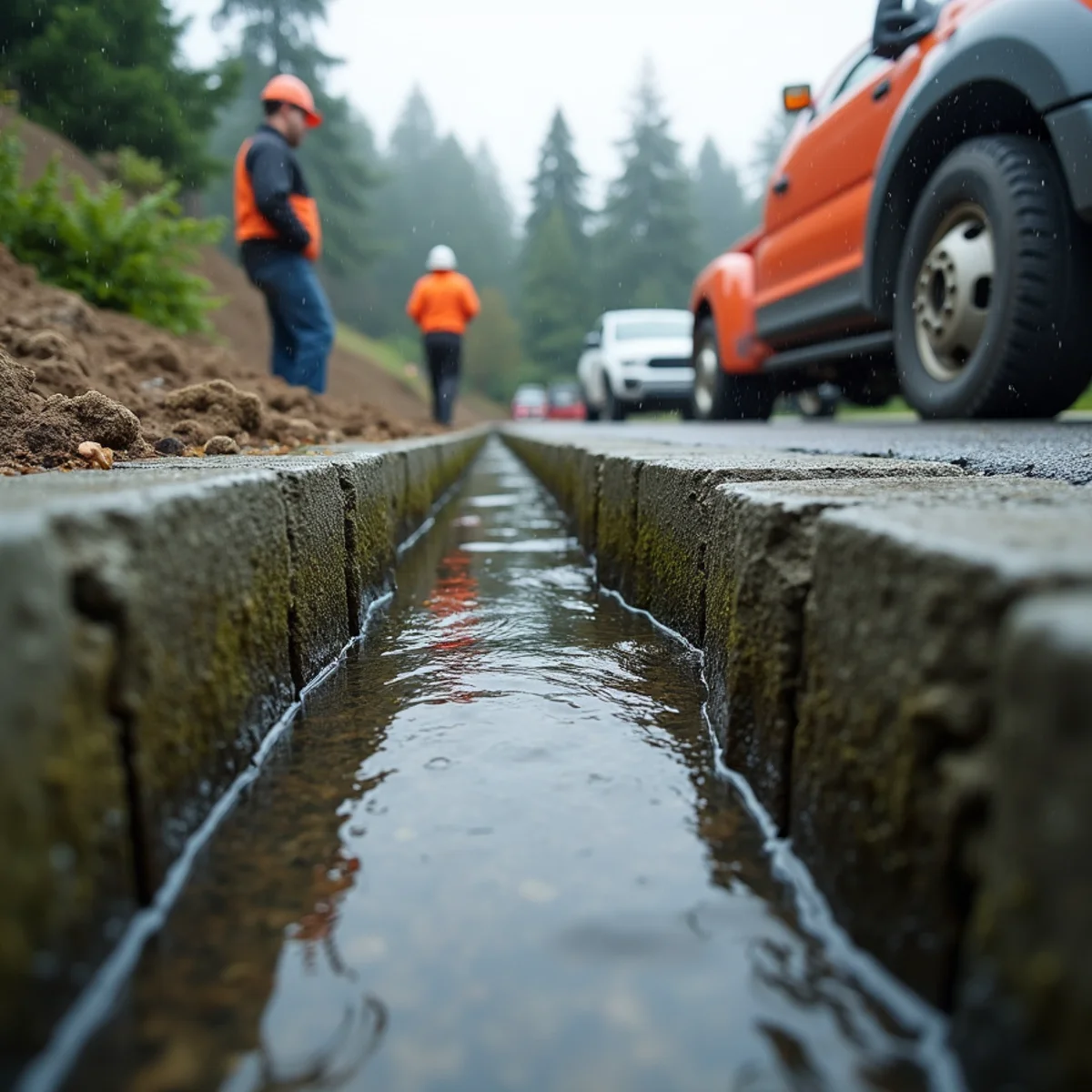
Water behavior around a wall is a direct readout of its drainage health. Properly built walls include weep holes or a drainage outlet that let collected water escape at the base. When those are working, you see water exiting where it should during rain. When they are clogged or absent, water finds other routes.
Water weeping through the face of the wall in random spots, or seeping between blocks, is a warning sign. It means water is trapped behind the wall and forcing its way through wherever it can, which also means pressure is building. Efflorescence, the white mineral staining left behind by water passing through masonry, is another clue that water is moving through the structure rather than draining behind it.
If weep holes that used to drain have gone dry during heavy rain, that is not good news. It often means they have clogged, and the water that should be exiting is instead pooling behind the wall and pushing on it. Either extreme, water coming through the wrong places or not coming out where it should, points to a drainage problem that is loading the wall.
Soil Subsidence Behind the Wall: Sinkholes & Lawn Dropping
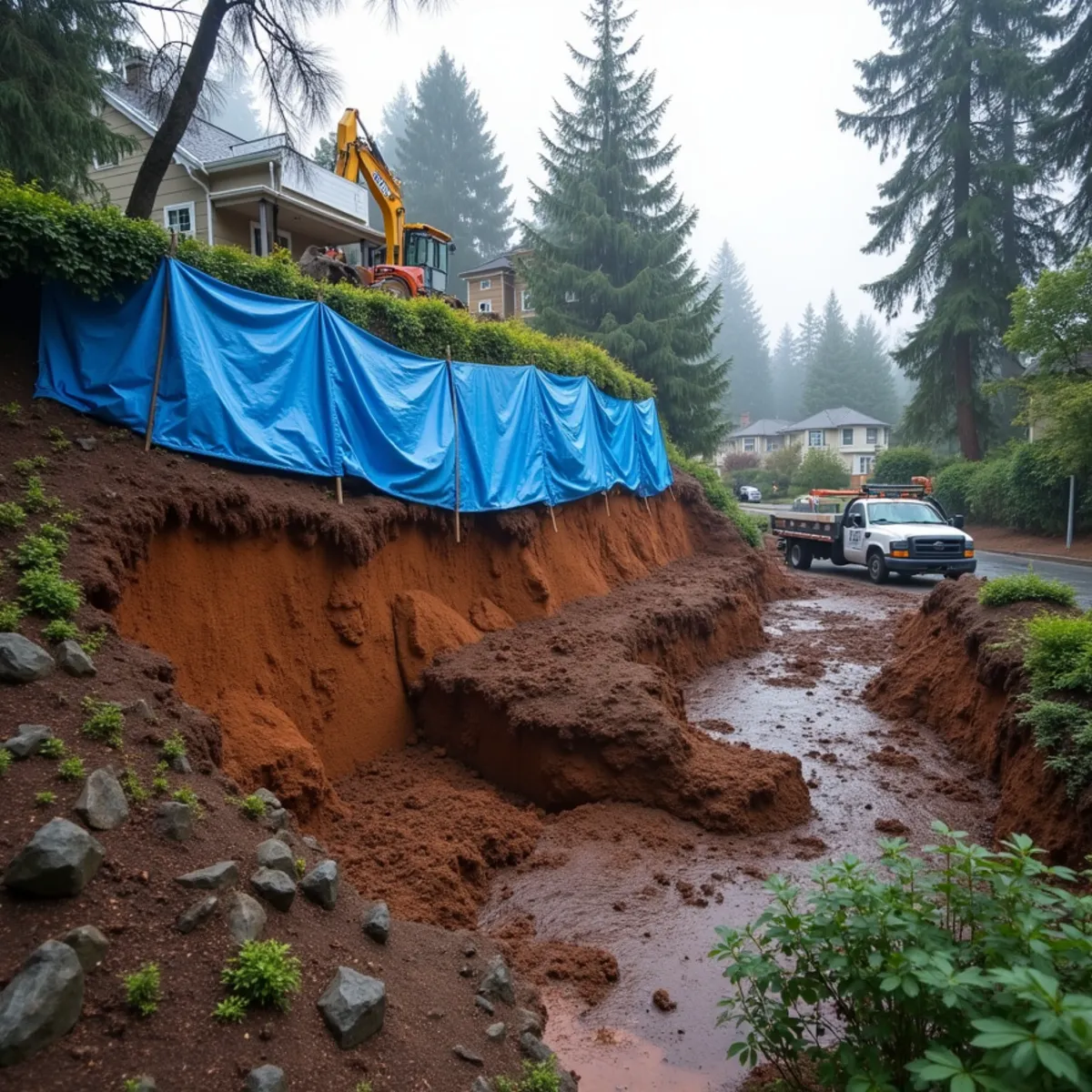
Some of the most telling warning signs appear not on the wall but behind it. If the soil, lawn, patio, or driveway behind a wall is sinking, cracking, or pulling away, the ground the wall is supposed to be holding is on the move. A gap opening between the wall and the soil behind it, or a noticeable dip in the lawn near the top of the wall, means material is shifting or washing out.
Small depressions or sinkholes forming behind a wall can indicate that water is eroding soil beneath the surface and carrying it away, undermining both the ground and the wall. This kind of subsurface erosion is especially dangerous because it hollows out support you cannot see until something drops. On a slope, that lost support can accelerate wall movement quickly.
Any sudden change behind a wall, a fence post that has started to lean, a section of lawn that dropped after a heavy rain, pavers that have tilted, deserves a close look. Behind-the-wall subsidence and the wall's own movement usually feed each other, and together they signal a system that is failing rather than a single cosmetic flaw.
Immediate Temporary Shoring Steps During Heavy Rainstorms
If a wall is actively moving during a storm, the priority is safety and reducing the load, not a permanent fix in the rain. First, keep people and pets away from both sides of the wall; the area below a failing wall is a fall-and-crush hazard and the ground above it can give way. If the wall retains a driveway or structure, stop parking or placing weight on top of it.
The most useful thing you can do in the moment is reduce the water reaching the soil behind the wall. Divert downspouts, roof runoff, and surface flow away from the top of the wall so you are not adding to the saturation. Covering the soil behind the wall with heavy tarps, anchored so they cannot blow away, can shed rain and slow further water from soaking in. These steps buy time; they do not repair the wall.
Do not attempt to rebuild, re-stack, or heavily excavate a moving wall yourself during a storm, and do not stand at its base to inspect it up close. A wall in motion can fail suddenly. Document what you see from a safe distance, keep the area clear, and get a professional out as soon as conditions allow.
Call for Emergency Retaining Wall Stabilization
A wall that is bowing, tilting, cracking, weeping, or dropping soil behind it is not a project to schedule for spring. Once movement begins, each saturating rain makes it worse, and the cost and danger climb with it. Our emergency retaining wall repair and stabilization service is built for exactly this situation, and we offer 24/7 emergency response for walls that are failing now.
As a licensed, bonded, and insured contractor with over fourteen years stabilizing and rebuilding walls across the Eastside, we can assess whether a wall can be shored and repaired or needs to be rebuilt, and we understand the drainage failures that cause these problems in the first place. If your wall in Kirkland, Issaquah, Shoreline, or a neighboring community is showing the signs in this guide, do not wait for the next storm to decide the outcome for you.
The early tells we catch that homeowners walk past
By the time a wall is obviously leaning, it has usually been failing quietly for a couple of winters. The tells we look for are subtler. A wall that bulges in the middle course but stands straight at the ends is losing the battle with hydrostatic pressure behind it. Cracks that step diagonally, gaps opening between blocks, or a top course that no longer runs level all say the same thing: water is building up behind the wall and the drainage has stopped working.
The single most common local cause is a blind or crushed drain outlet. We build walls with a perforated pipe behind them that has to daylight somewhere. When that outlet silts up, gets buried by a later landscaping project, or was never properly installed, the soil behind the wall saturates every wet season and the pressure has nowhere to go. In a Puget Sound winter with December rain around five and a half inches, that pressure is relentless.
Watch the ground, not just the wall. Soil pulling away at the top, a soggy strip that never dries, or new settlement in the patio above the wall are all signs the backfill is moving. Those show up before the wall itself visibly tilts.
Pro tips from our crew
- Find your wall's drain outlet and confirm water actually runs from it during a hard rain; a dry outlet in a downpour is a problem.
- Sight down the top course; any new dip, bulge, or out-of-level section means the wall is moving.
- Watch for a permanently soggy strip at the base or top; trapped water is the number-one failure driver here.
- Diagonal stair-step cracks are more urgent than straight vertical ones; they signal differential movement.
- Photograph the wall each fall from the same spot; year-over-year comparison catches slow lean early.
Frequently Asked Questions
Bowing means the wall is being pushed by pressure it cannot resist, and our wet winters make that pressure worse with every saturating rain. Slight bowing that is progressing should be evaluated promptly rather than left until spring, because failure risk rises sharply through the wet season. If it has moved noticeably in recent weeks, treat it as urgent.
It means water is trapped behind the wall and forcing its way through the face because the drainage behind it has failed or clogged. That trapped water is also building hydrostatic pressure against the wall. Weeping water combined with any bowing or cracking is a strong signal that the wall needs professional attention.
Keep people and pets away from both sides, stop loading the top with vehicles or weight, and divert downspouts and surface runoff away from the soil behind the wall. Anchored heavy tarps over that soil can shed some rain. These are temporary measures to reduce load and buy time until a professional can assess it.
Yes. We offer 24/7 emergency response for actively failing walls, in addition to regular hours Monday through Saturday, 7 to 7. If a wall is moving, weeping, or dropping soil behind it during a storm, call (323) 606-0255 and we will get to you as conditions allow.
Sometimes. If the movement is early and the footing is sound, relieving the water pressure with new drainage and reinforcement can stabilize it. Once the base has shifted or the wall has rotated past a certain point, rebuilding is safer and often cheaper than repeated patching. We can assess whether yours is still in the salvageable window; call (323) 606-0255.
It depends on height, what it retains, and how fast it's moving. A low garden wall leaning slightly can often wait; a tall wall holding up a driveway, slope, or structure that's moving during winter storms should be looked at now, before the wettest months load it further. If people or structures are below it, treat it as urgent and call us the same day.
Retaining walls announce their failures in advance through bowing, tilting, cracking, weeping water, and sinking soil, and nearly every one of those signs traces back to water pressure that proper drainage should be relieving. In a climate where the ground behind a wall goes from damp to fully saturated in a single storm, reading those warnings early is what keeps a repair from becoming a collapse.
If your Eastside wall is showing any of these signs as the rains set in, the safe and economical move is to have it assessed now rather than after it moves. Call Seattle Pro Turf at (323) 606-0255 for a free inspection, or for 24/7 emergency stabilization if your wall is failing today.
Ready to move from reading to results? Our emergency retaining wall repair and retaining wall construction crews handle projects like this across the Eastside — including Kirkland and Issaquah. Call (323) 606-0255 for a free estimate.
Get expert help on your project
SeattleProTurf · 14+ years serving the Eastside · Licensed & insured