Synthetic Turf vs Natural Sod in Seattle: 10-Year Cost & Maintenance
The short answer
Sod costs less upfront, but over ten years synthetic turf usually wins in Seattle once you count water, mowing, moss control, reseeding, and crane-fly damage. Turf's higher install cost is offset by near-zero maintenance and no muddy winter lawn, while sod stays cheaper only if you tolerate ongoing upkeep and seasonal mess.
The choice between synthetic turf and natural sod is usually framed as a price question, but the sticker price is the least useful number in the comparison. A lawn is not a one-time purchase; it is a decade-long relationship with mowers, water bills, mud, and weekends spent maintaining it. The honest way to compare the two is to look at what each costs and demands over ten years of real Seattle weather.
Our region complicates the math in ways that national comparisons miss. Eastside yards face months of saturating winter rain that turns sod to mud, dry summers that force irrigation, and glacial till subsoil that drains poorly. Those conditions shift the balance between the two options. This breakdown walks through upfront cost, annual upkeep, usability, environmental trade-offs, and resale value so you can decide based on the full picture rather than the first invoice.
Key takeaways
- Sod is far cheaper to install, but its costs continue every year in water, mowing, and treatments.
- Synthetic turf costs more upfront and then drops to near-zero recurring maintenance.
- Over a 10-year window, turf often comes out ahead once water, moss control, reseeding, and equipment are counted.
- Seattle's wet winters leave sod muddy and dormant, while turf stays usable and green.
- European crane-fly larvae and moss routinely damage natural lawns here, adding cost that turf avoids.
- Sod stays the cheaper choice only for owners who genuinely don't mind ongoing upkeep and seasonal mess.
Upfront Installation Costs: Sod vs Artificial Turf
There is no honest way around the first fact: sod costs far less to install than synthetic turf. Rolling out sod over prepared soil is fast and the material itself is inexpensive, so a freshly sodded lawn is the lower-cost starting point every time. If the only number that mattered were day-one cost, sod would win outright.
Synthetic turf carries a higher upfront price because most of the work and expense is in what you never see. A proper installation requires excavation of the native soil, a compacted open-graded crushed-rock base, a shaping and grading pass for drainage, and the turf itself seamed, secured with perimeter nailer boards, and filled with infill. That base is the single biggest driver of both cost and long-term performance.
The way to read these numbers is as a trade. Sod is cheap to buy and expensive to keep. Turf is expensive to buy and cheap to keep. The rest of this comparison is really about how quickly the low ongoing cost of turf closes the gap the high install cost opens, and for many Eastside households that crossover arrives well within the ten-year window.
Annual Maintenance Costs: Mowers, Fertilizers, Aeration, and Water Bills
This is where the two paths diverge sharply. A natural lawn is a recurring expense that never stops. Every year it needs mowing through the growing season, fertilizer, aeration to counter the compaction our clay soils are prone to, overseeding of the bare patches winter leaves behind, and weed control. None of these are optional if you want the lawn to look like the one that was installed.
The True Cost of a Natural Lawn
Add up the mower fuel and maintenance, the seasonal products, the water, and either your weekends or a mowing service, and a sodded lawn quietly spends money every single year. Seattle summers may be short, but they are dry enough that keeping sod green requires real irrigation, and metered water is not cheap. Over a decade those recurring costs stack into a substantial figure.
What Turf Actually Requires
Synthetic turf has no mowing, no fertilizer, no aeration, and no irrigation. Maintenance is limited to occasional rinsing, brushing high-traffic areas to keep the blades upright, and clearing leaves, tasks measured in minutes rather than weekends. The recurring cost is close to nothing, which is precisely how turf earns back its higher install price over the years.
Usability Factors: 365 Days of Green vs 8 Months of Mud
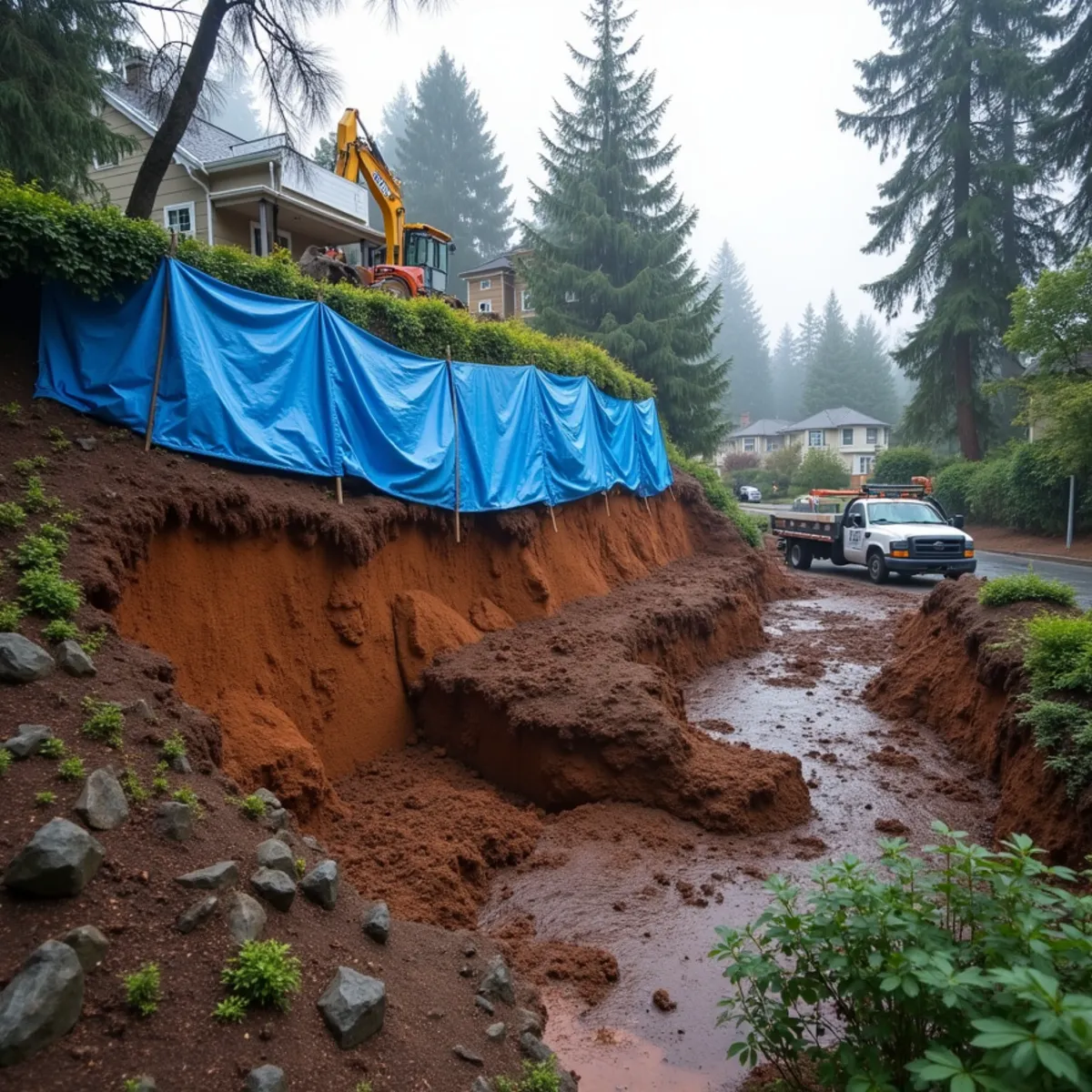
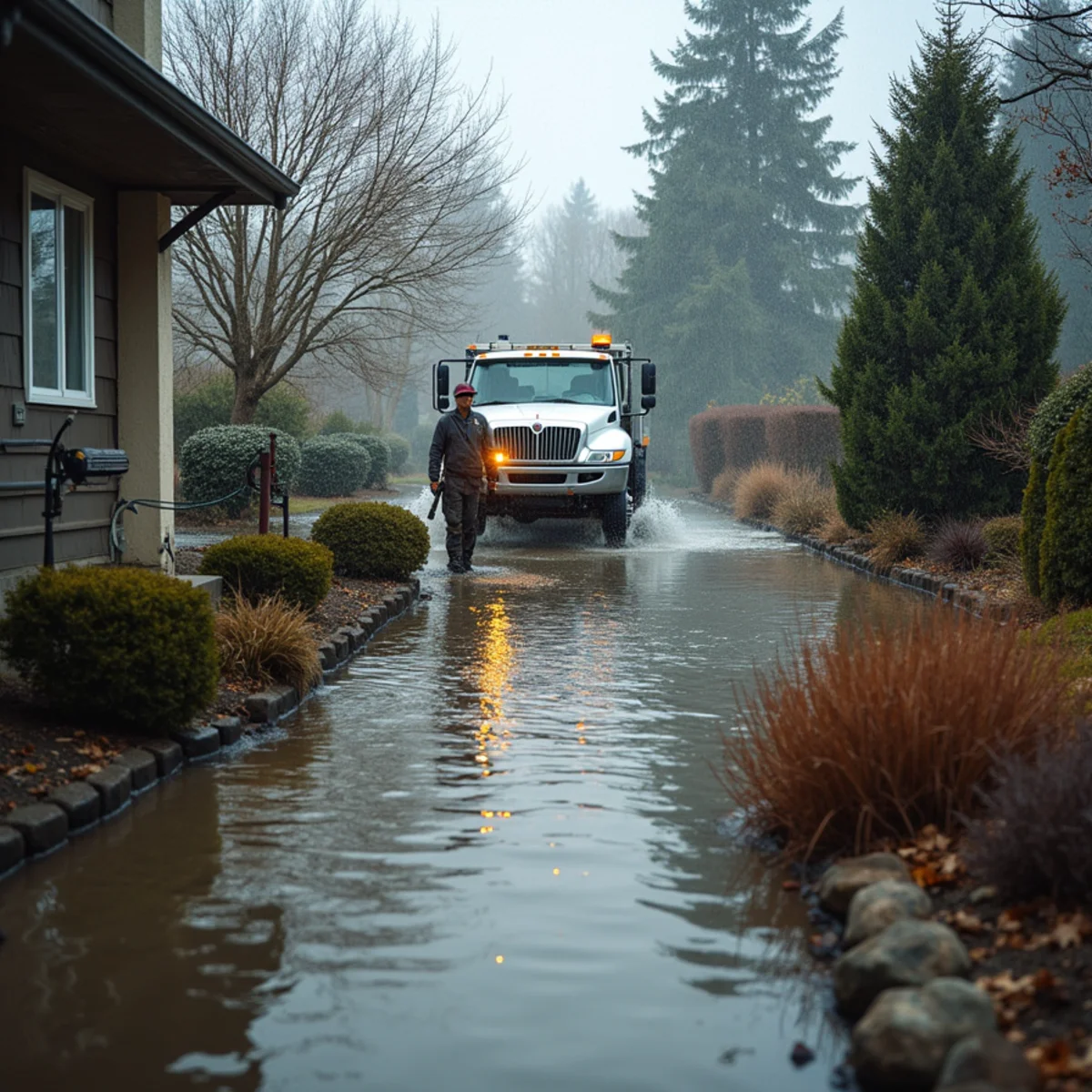
Cost is only half the comparison; the other half is how many days a year you can actually use the lawn. In Seattle this favors turf dramatically. Our wet season runs long, and a natural lawn on poorly draining soil spends months as a spongy, muddy surface that tracks into the house and cannot take foot traffic without tearing up.
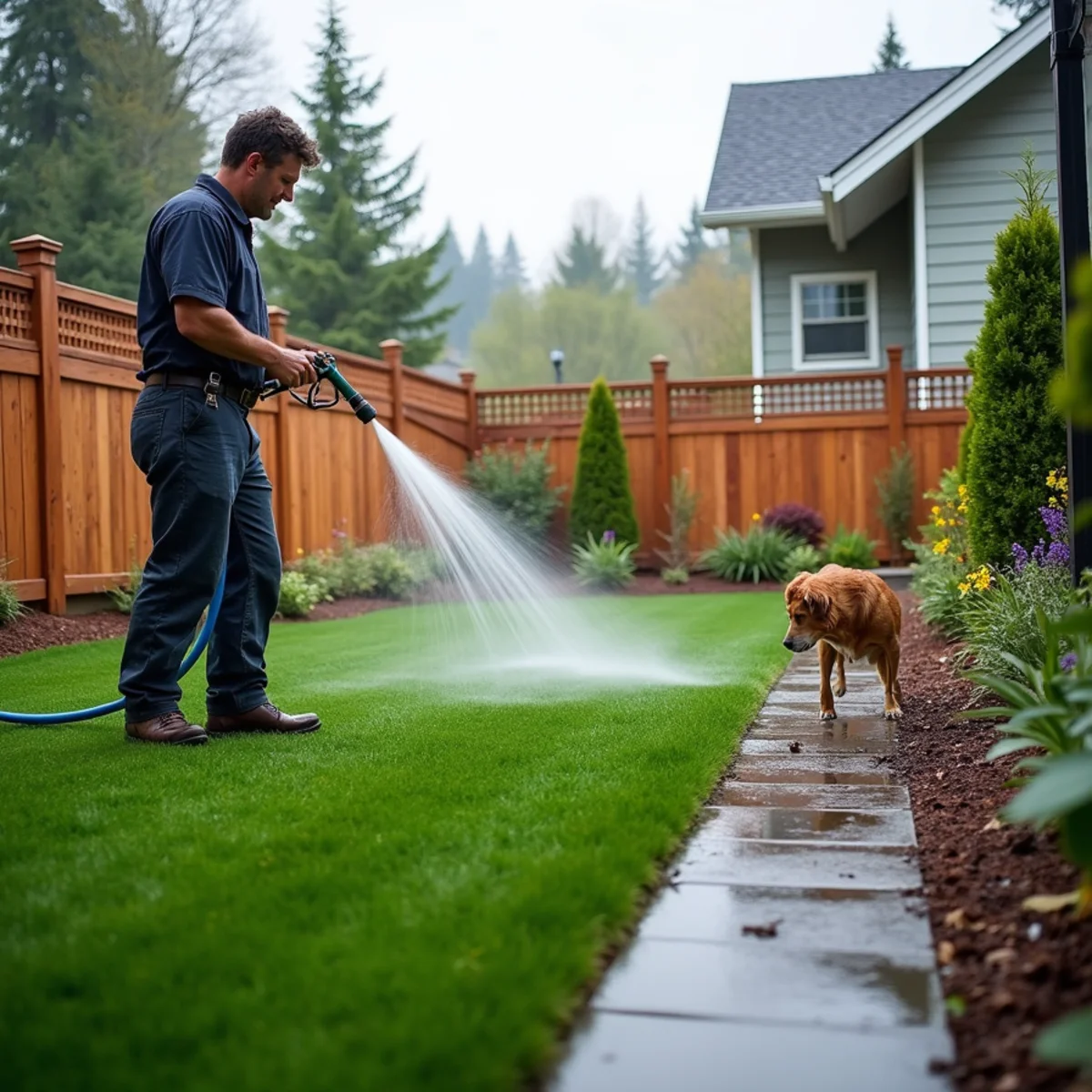
Synthetic turf drains through a permeable backing into the crushed-rock base below, so it is usable within minutes of the rain stopping. For families with kids and dogs, that difference is the whole point. A dog run or play area that stays firm and clean through a Puget Sound winter is worth far more in daily life than the seasonal green of sod that turns to mud from November through spring.
Turf also stays consistent. There are no bare patches worn into the paths children take, no ruts, no seasonal die-back. Pet owners in particular find that a purpose-built turf area holds up to digging and traffic where sod would be destroyed, which is why so many Eastside households install turf specifically for their dogs.
Environmental Impact: Water Conservation vs Synthetic Materials
The environmental comparison is genuinely two-sided, and it deserves an honest treatment rather than a sales pitch. Turf's clearest benefit is water. Eliminating lawn irrigation saves thousands of gallons a year, which matters even in a rainy region because our dry summers strain supply exactly when demand peaks. WaterSense-minded households value that reduction, and it removes fertilizer and pesticide runoff from the equation entirely.
The honest counterweight is that synthetic turf is a manufactured product with a finite lifespan, and natural grass is a living surface that sequesters carbon and cools the air around it. A responsible answer is not to pretend turf is purely green, but to weigh a long-lived, low-input surface against the water, chemicals, and fuel a natural lawn consumes every year for a decade or more. For water-stressed summers and mud-bound winters, that trade often lands in turf's favor.
Property Value and Curb Appeal in Eastside Real Estate
On the Eastside, where yards are a real part of a home's value, both options can help resale, but they appeal to different buyers. A pristine natural lawn signals a cared-for property, though savvy buyers also register the maintenance commitment it represents. Turf appeals strongly to buyers who want the look without the upkeep, and a well-installed, professional turf lawn reads as a premium, permanent feature rather than a shortcut.
The distinction that matters for value is installation quality. A poorly laid turf lawn with visible seams and a soft base drags a listing down, while a professionally installed one on a proper crushed-rock base looks like landscaping, not carpet. In competitive Bellevue, Kirkland, and Sammamish markets, a turf backyard that stays green and usable year-round is a genuine selling point, especially for the many buyers who do not want to spend their weekends behind a mower.
Schedule a Free Backyard Turf Feasibility Estimate
Every yard is different, and the turf-versus-sod math turns on your specific soil, drainage, sun, and how you actually use the space. The only way to compare the true ten-year cost for your property is to have someone assess it in person, look at the base you would need, and give you real numbers rather than national averages.
Seattle Pro Turf has installed turf and rebuilt lawns across the Eastside for over 14 years, and we will tell you honestly whether turf makes sense for your yard or whether you are better served another way. Licensed, bonded, and insured under Washington license SEATTPT839LN, we build on a properly engineered base so the lawn performs for its full life.
The 10-year math nobody runs before they choose
Sod looks cheaper on day one and that number fools most people. In our climate the real natural-lawn cost is the recurring fight against moss, European crane fly larvae, and shade. A typical Kirkland backyard gets enough winter wet and canopy shade that homeowners end up on an annual cycle of moss killer, lime, aeration, overseeding, and crane fly treatment, plus summer irrigation during our dry July and August. Synthetic turf front-loads the cost into the install and then flattens the curve; you are buying labor and materials once instead of paying a landscaper every season.
The tradeoff people underestimate is heat and feel. Turf in full sun on a rare 90-degree Seattle afternoon gets warm, and no infill changes that physics. Under trees, though, turf wins decisively because grass simply will not thrive in the shade and root competition that dominate Eastside lots. The honest recommendation depends on the microclimate of the specific yard, not a blanket rule.
The failure mode we see most is drainage. Turf installed over our native clay without a proper open-graded base holds water at the backing and grows the same moss the homeowner was trying to escape, plus a sour smell where pets are involved. Turf is only low-maintenance when the base under it drains, which on hardpan means engineered crushed rock, not the existing soil.
Pro tips from our crew
- Map your yard's sun for a day before deciding; deep-shade zones almost always favor turf, while a single sunny play area may do fine as sod.
- Budget sod's true cost as install plus roughly a decade of moss control, crane fly treatment, aeration, and summer water, not just the pallet price.
- For turf over clay, insist on an open-graded 5/8-inch crushed base with adequate depth so winter water drains through instead of pooling at the backing.
- If you have dogs, ask for a higher-flow backing and an infill that resists odor, and plan for periodic rinsing rather than assuming zero upkeep.
- Choose a turf pile height and color blend suited to shade; overly lush 'golf green' products look artificial in a Northwest yard framed by conifers.
Frequently Asked Questions
It depends on your water use and whether you pay for lawn service, but because turf eliminates mowing, watering, fertilizing, and reseeding, its near-zero annual cost steadily closes the gap. For many Eastside yards the accumulated savings offset the higher install price within the ten-year horizon, and everything after that is savings.
Our summers are mild and short compared with the Southwest, so heat is far less of an issue here than in hotter climates. On the rare very warm day, a quick rinse cools the surface, and modern turf products are designed to shed heat better than older generations.
Sod can survive in our glacial till, but the poor natural drainage is exactly what turns lawns to mud each winter. Improving it requires soil amendment and often added drainage, which raises the real cost of keeping a natural lawn usable year-round on the Eastside.
Yes, and it is one of the most common reasons Eastside homeowners install it. Pet-rated turf drains urine through the base, resists digging and wear far better than sod, and stays clean and firm through the wet season, which is why purpose-built dog runs are one of our most-requested projects.
No, but it is far less than sod. In our climate you will occasionally brush the pile back up in high-traffic paths, rinse pet areas, and clear leaves and conifer needles so they do not compost into the infill and grow moss on the surface. That is a few hours a season versus the ongoing mowing, moss control, and crane fly management a real lawn demands here.
It can, but only on the surface and only if organic debris is allowed to sit and hold moisture, which is common under Eastside tree canopy. Keeping needles and leaves blown off and letting the base drain properly prevents it. If moss does appear, it rinses off far more easily than it ever came out of a natural lawn. We can spec a drainage base and maintenance routine for your specific yard at (323) 606-0255.
The comparison comes down to a simple pattern: sod wins on install cost and turf wins on nearly everything after that, from maintenance and water bills to usable days per year in a climate that keeps natural lawns muddy for months. Over a full decade, the recurring cost and lost usability of sod are what most Eastside homeowners underestimate, and what makes turf the better long-term value for many yards, though not every one.
The right choice depends on your soil, your budget, and how you live in your yard, and that is a conversation worth having with someone who will give you the real numbers. Call Seattle Pro Turf at (323) 606-0255 to schedule a free backyard turf feasibility estimate and find out which lawn actually makes sense for your property.
Ready to move from reading to results? Our synthetic turf installation and pet-friendly turf & dog runs crews handle projects like this across the Eastside — including Kirkland and Bellevue. Call (323) 606-0255 for a free estimate.
Get expert help on your project
SeattleProTurf · 14+ years serving the Eastside · Licensed & insured