How Much Does Synthetic Turf Installation Cost in Seattle?
The short answer
Professionally installed synthetic turf around Seattle typically runs about $12–$20 per square foot installed. The largest swing comes from base excavation through glacial hardpan, the turf grade you choose (standard landscape, pet, or putting green), drainage requirements, and site access. A small, easy-access lawn lands lower; a dug-out, drainage-heavy yard lands higher.
The most common question we field at Seattle Pro Turf is a simple one with a complicated answer: what does synthetic turf actually cost around here? Homeowners in Kirkland, Bellevue, and Redmond have usually seen a national average online, and that number rarely survives contact with our regional soil. The Puget Sound sits on glacial till, the compacted subsoil locals call Seattle hardpan, and preparing a proper drainage base on top of it changes the math in ways a Phoenix or Dallas quote never accounts for.
Pricing turf honestly means separating the material from the work underneath it. Anyone can quote a low per-foot number by skimping on the base, and those are precisely the lawns that pool, wrinkle, and reek within two wet winters. This guide lays out realistic Eastside numbers, explains where the money goes, and shows why a correctly built system pays for itself against the endless upkeep of a natural lawn that moss and crane fly larvae are determined to destroy.
Key takeaways
- Base preparation on Seattle's glacial hardpan — excavation, hauling, and crushed-rock base — is often a larger line item than the turf itself.
- Turf grade drives price: pet turf and putting-green surfaces cost more per square foot than standard landscape turf.
- Drainage work adds cost on hardpan lots, where an open-graded 5/8" base is needed so water can move instead of pooling.
- Site access matters — tight backyards, stairs, or no equipment path mean more hand labor and higher totals.
- Small, square, easy-access lawns land at the low end; large or oddly shaped areas with heavy cuts and detailed seaming land higher.
- Quality infill, proper edge restraint, and correct seam direction protect the investment and are worth building into the budget.
The True Cost of a Mud-Free Seattle Lawn
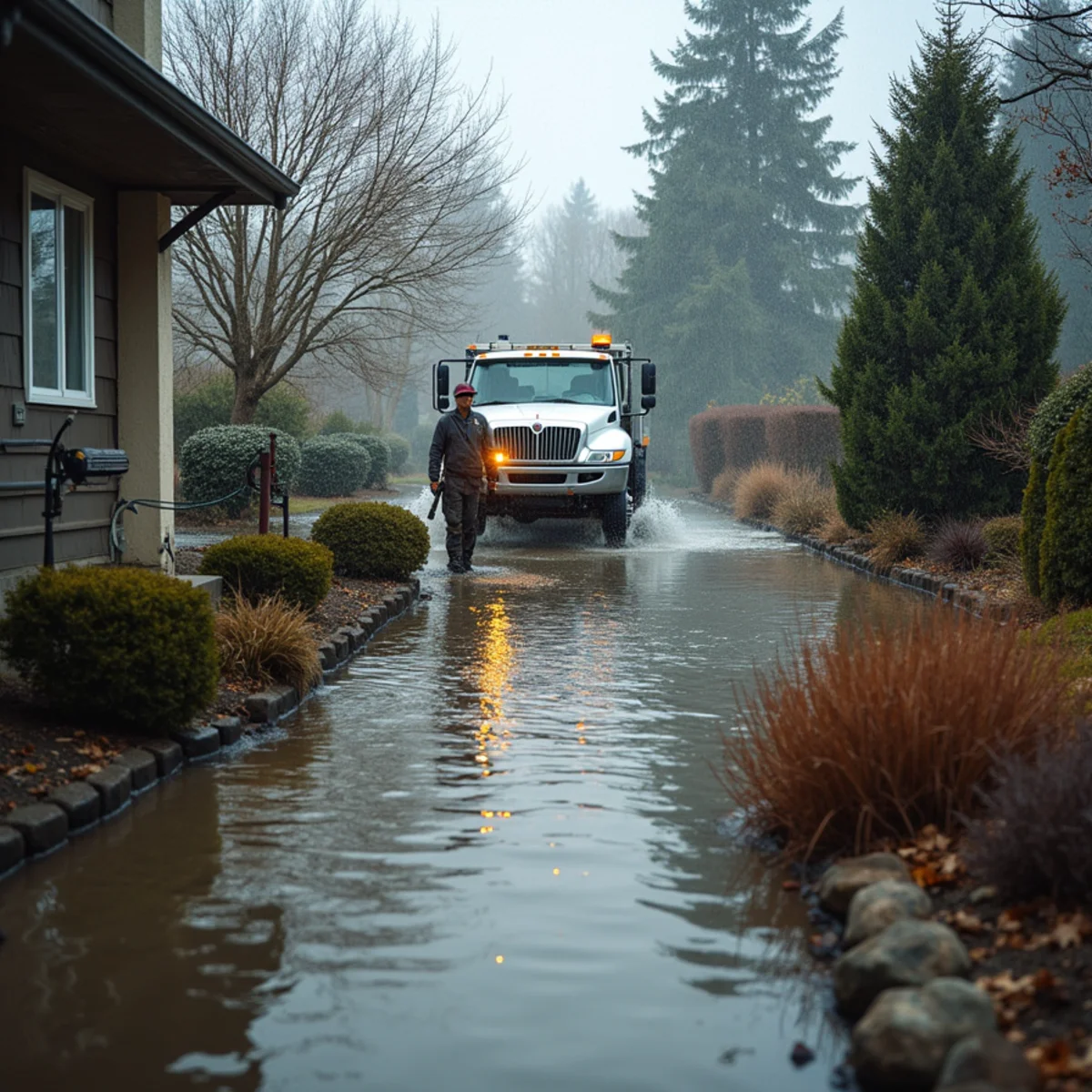
When people budget for turf, they picture the green carpet and forget the engineering below it. A synthetic lawn is a drainage system with grass on top. In a climate where Kirkland averages roughly 5.45 inches of rain in December alone, the layers you cannot see determine whether the lawn stays firm and dry or turns into a spongy mess. That reality is why a fair Seattle price sits above the cheap online figures and well below the panic-inducing ones.
A complete installed turf system on the Eastside generally runs in a range shaped by three levers: the turf product itself, the depth and quality of the aggregate base, and site access. For context, Seattle-metro landscaping projects average around $5,476, and a mid-sized turf lawn lands comfortably inside that world. The value is not just a tidy yard; it is the permanent elimination of mowing, watering, fertilizing, and the seasonal battle against mud tracked across your floors.
Our synthetic turf installation work is priced as a full build, not a roll of grass dropped on dirt. That means excavation, a compacted open-graded base, weed-blocking geotextile, secured seams, and infill matched to how you actually use the yard. The number is higher than a big-box DIY kit, and it is the difference between a lawn that lasts fifteen to twenty years and one that fails before the next El Nino winter.
Average Per-Square-Foot Turf Pricing on the Eastside
Most reputable installers quote turf by the square foot as an all-in installed figure, and on the Eastside that installed rate typically spans a moderate band rather than a single price. Smaller yards cost more per foot because fixed costs like mobilization, excavation setup, and disposal get spread across less area. A large, open backyard in Redmond will carry a lower per-foot rate than a tight side-yard dog run in Kirkland, even though the tight space is more finicky to build.
The turf face weight and blade design push the material portion up or down. A dense, realistic landscape turf costs more than a thin utility grass, and it should, because blade recovery and UV stability are what keep the lawn looking mowed instead of matted. When you compare quotes, confirm each one covers the same base depth and the same product tier, or you are comparing a finished basement to a bare foundation.
Site conditions bend the per-foot rate as much as the product does. A flat, open lawn with easy equipment access is the least expensive scenario, while a sloped lot, tight side yard, or a design with curves, borders, and transitions into patios or planting beds adds labor and cuts to every square foot. Removing an existing lawn, old concrete, or roots before the base can even begin is another variable that lives inside that per-foot number, which is why two neighbors can receive genuinely different rates for turf that looks identical when finished.
Glacial Till Base Preparation & Excavation Costs
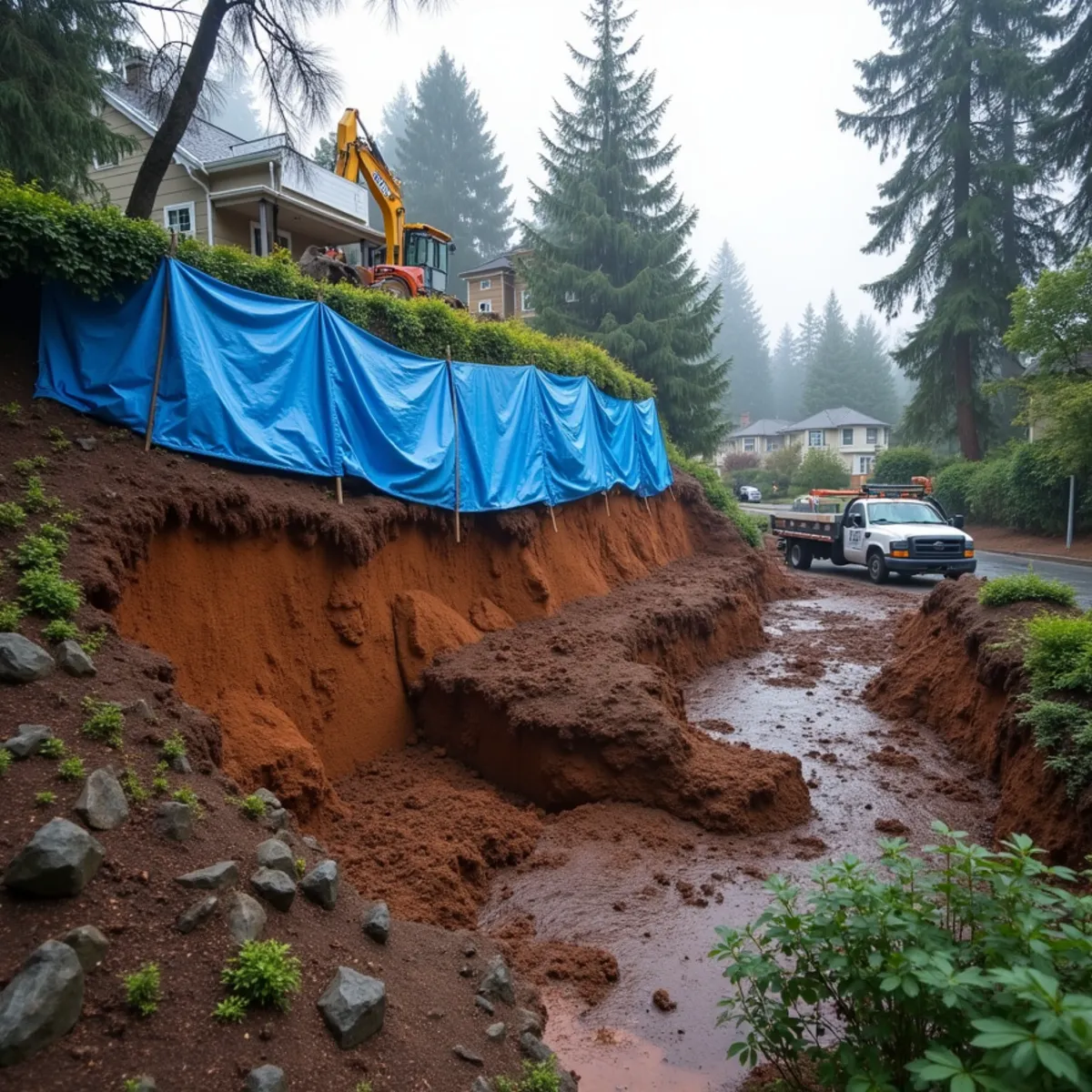
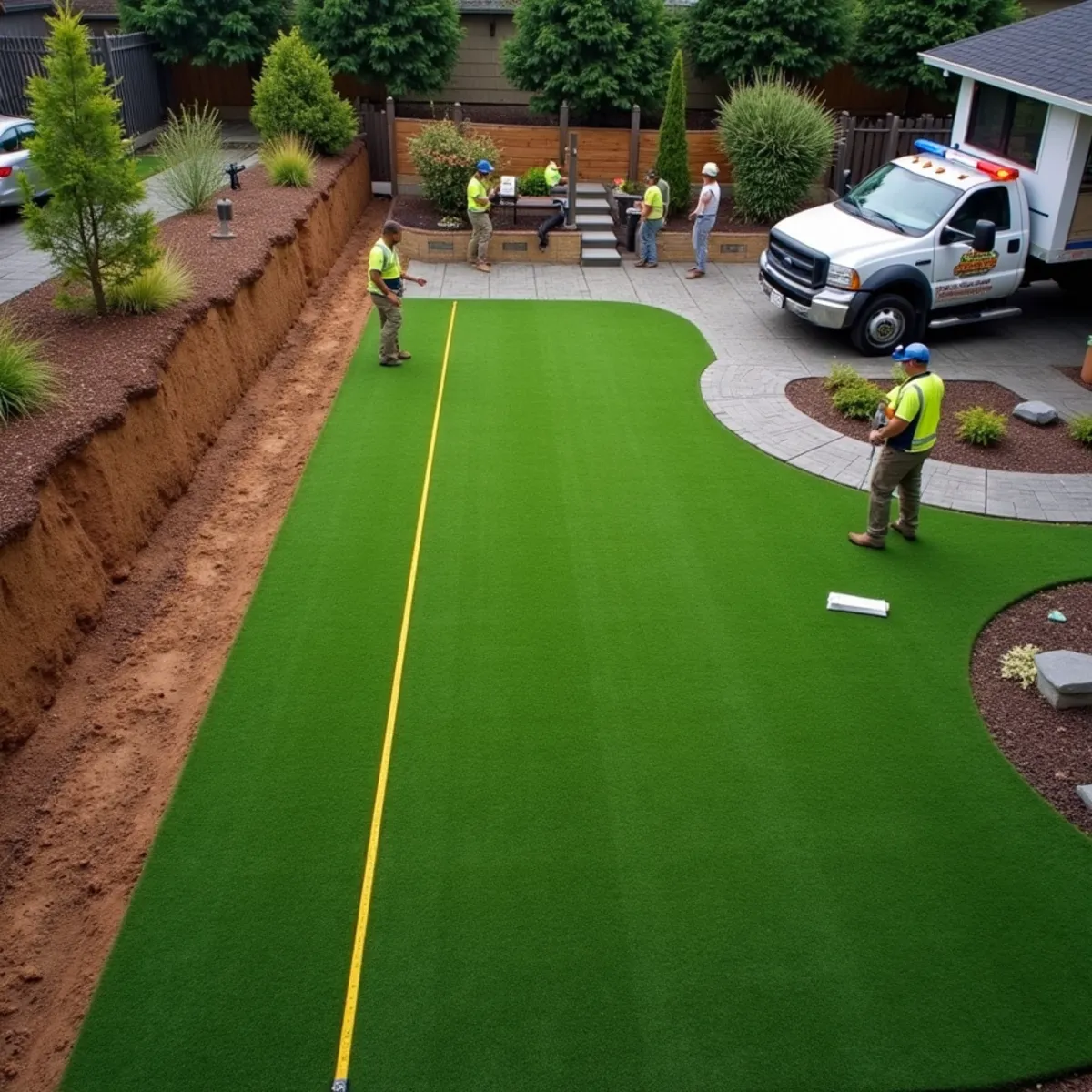
This is the line item that separates a Seattle-competent installer from a transplant crew. Our glacial till sheds surface water rather than absorbing it, so a turf base has to be built to move water sideways and down, not trap it. That requires excavating several inches of native soil, hauling it off, and rebuilding with open-graded 5/8 inch crushed aggregate that drains freely even when the ground below is saturated hardpan.
Excavation cost swings with access and disposal. A backyard reachable only through a narrow gate means wheelbarrows instead of a compact loader, and hand labor at roughly $60 to $115 per hour adds up. Soil disposal is a real expense too, because that heavy, wet till has to go somewhere. Skipping or thinning this base is the number one reason budget turf jobs waterlog, and repairing a failed sub-base later costs far more than building it right the first time.
We compact the base in lifts and verify positive drainage before a single roll of turf comes off the truck. On problem lots we integrate perforated drain lines beneath the base so storm surges have a dedicated exit. That engineering is invisible in the finished lawn and absolutely central to why it performs through a Pacific Northwest winter.
Turf Material Varieties: Pet Turf vs Putting Greens vs Standard
Not all turf is priced the same because it is not built for the same job. Choosing the right product for how you live in the yard controls both cost and satisfaction.
Standard Landscape Turf
This is the general-purpose lawn most homeowners want: a natural-looking green space for kids, entertaining, and curb appeal. It uses a medium-to-tall blade with a thatch layer for realism and sits in the middle of the pricing range. It is the workhorse of Eastside front and back yards.
Pet Turf for Dog Runs
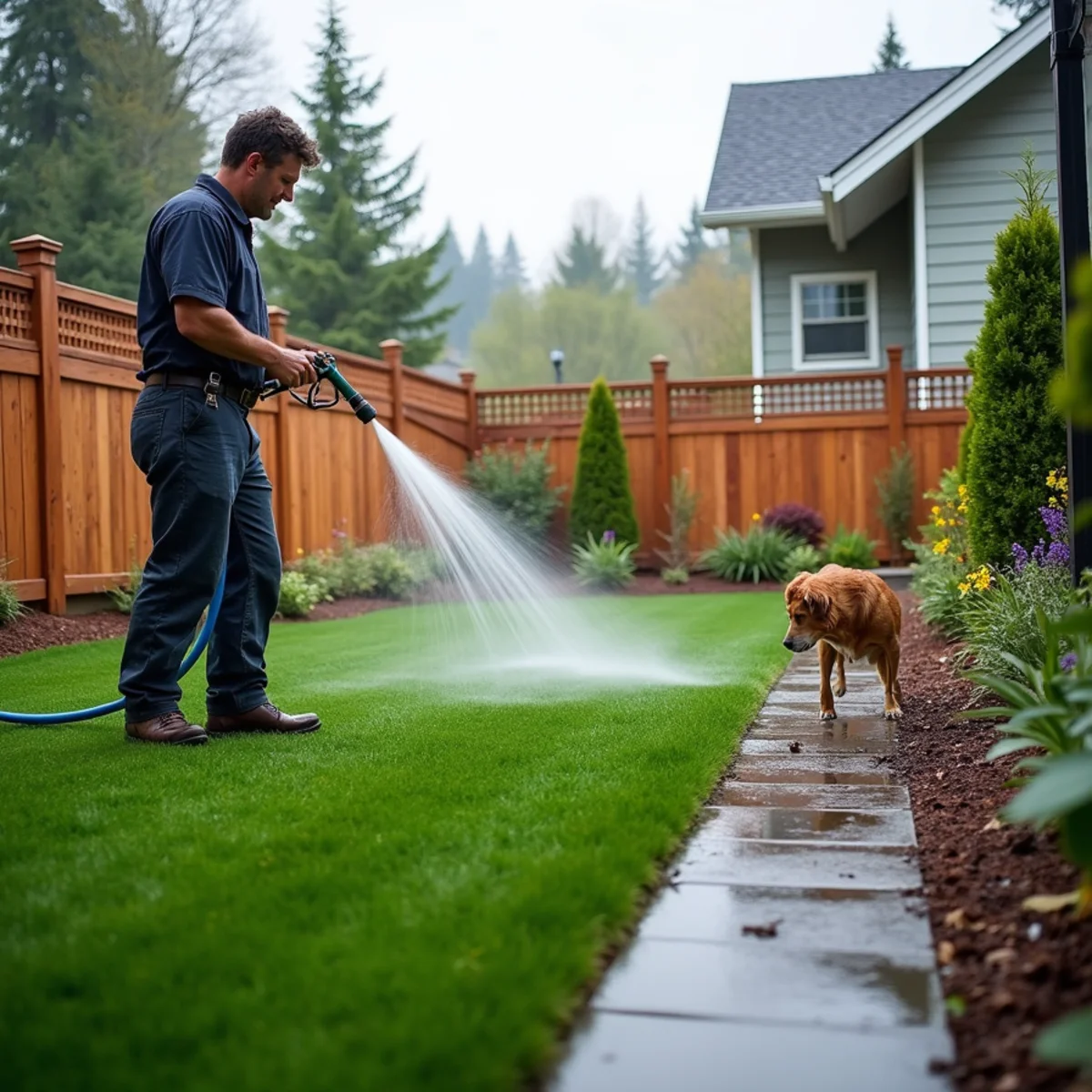
Homes with dogs need more than green fibers. Our pet-friendly turf and dog run systems pair a fully permeable or flow-through backing with antimicrobial infill so urine drains and rinses instead of soaking and stinking. The material premium is modest, but the drainage detailing costs a bit more, and it is the only version worth installing where a dog uses the yard daily through a wet winter.
Backyard Putting Greens
A putting green is the most specialized and highest-cost turf per foot. It uses a short, dense nylon surface, a heavily compacted and laser-leveled sand base for true roll, and custom cups and contours. A dedicated backyard putting green is a build unto itself, priced by design complexity rather than a flat rate.
ROI Analysis: Natural Lawn Maintenance vs Synthetic Turf
The sticker price of turf feels large until you total what a natural lawn quietly costs every year in our climate. Water, fertilizer, moss control, aeration, reseeding, and either your weekends or a mowing service all recur indefinitely. A recurring yard cleanup alone runs in the general range of $215 to $1,120 each time, and a Seattle lawn needs attention constantly because moss and European crane fly larvae are working against you year-round.
Turf converts that endless operating expense into a one-time capital cost. There is no water bill for the lawn, no seasonal chemical regimen, and no mud season. Over a fifteen-year service life, the maintenance a homeowner avoids commonly exceeds the installed price of the turf, which is why so many Eastside owners frame it as a return rather than a splurge. Add in the WaterSense-aligned water savings during our dry summers and the environmental case reinforces the financial one.
There is a comfort dividend too that spreadsheets miss. The lawn is usable the day after a storm, the dog stays clean, and the yard looks manicured in February the same as it does in July. For many households that reliability, not the raw payback period, is what closes the decision.
It is worth being honest about the variables that shorten or lengthen the payback. A large, thirsty natural lawn on a metered water supply pays turf back faster than a small shaded patch. A household that already pays a monthly mowing service recovers the investment sooner than one that mows for free on weekends. And the labor you reclaim has real value: the hours spent each season on dethatching, aerating, reseeding, and hauling clippings are hours turf simply gives back. When you tally water, chemicals, service fees, equipment, and time together, the recurring cost of a Pacific Northwest lawn is larger than most owners realize until they add it up.
How to Get an Accurate In-Home Estimate in Kirkland & Bellevue
An honest turf estimate cannot be finalized over the phone, because the base is priced by what your specific soil and access demand. We come out, measure precisely, probe the ground to see how the hardpan sits, and check how water currently moves across the lot. That visit is how we quote a real number instead of a hopeful one, and it is free.
When we walk your Kirkland or Bellevue yard, we will talk through product tier, base depth, drainage, and whether a dog run or putting element belongs in the plan. You will get a written scope that shows exactly what the base includes, so any comparison you make against another bid is apples to apples. As a licensed, bonded, and insured contractor under Washington license SEATTPT839LN with fourteen-plus years on Eastside soil, we stand behind the number we give you.
A few questions help you get the most out of any estimate. Ask what depth of base the installer plans and what aggregate they use, whether the price includes excavation and hauling off the old lawn, what infill is specified, and whether drainage is included for a wet or flat lot. Ask about the warranty on both the turf and the workmanship. Honest answers to those questions reveal far more about a quote than the bottom-line figure, and they protect you from the low bid that quietly plans a thin base destined to waterlog. We welcome those questions, because they are exactly how a homeowner tells a durable installation apart from a cheap one.
Where the real money goes on a Seattle turf install
Homeowners fixate on the price per square foot of the turf roll, but on the Eastside the roll is rarely the biggest line item. The excavation and base build is where a job either lasts fifteen years or fails in three. Our glacial-till hardpan does not accept water, so we routinely dig deeper than crews in drier climates, install more open-graded 5/8-inch crushed base, and sometimes add a French drain or a drainage board under the turf. That labor and aggregate is invisible in the finished lawn, which is exactly why lowball bids skip it.
The second cost driver nobody warns you about is access. A backyard behind a narrow side gate means every yard of spoils goes out by wheelbarrow and every ton of base comes in the same way. That can add a full day of labor on a small lawn. When we walk a property, the gate width and the slope of the driveway tell us more about the final number than the square footage does.
Cheaper face weights exist and they photograph fine on day one. The difference shows up around year four in high-traffic lanes where a thin, short-pile turf lays flat and shiny. Paying up front for a denser pile with a proper thatch layer is usually the better fourteen-year value.
Pro tips from our crew
- Ask any bidder how deep they excavate and how many inches of crushed base they install; a vague answer on the Eastside is a red flag.
- Measure your narrowest gate before calling; anything under 36 inches means wheelbarrow-only access and higher labor.
- Budget for infill separately; silica sand and antimicrobial options change the per-foot math, especially for pet areas.
- A putting green or complex curves costs more per foot than a rectangular lawn because of seaming and cutting labor.
- Get the base depth and drainage plan in writing so a warranty claim later has something to stand on.
Frequently Asked Questions
National averages assume a simple base over well-draining soil. Our glacial till, the Seattle hardpan, sheds water rather than absorbing it, so a durable lawn needs deeper excavation and an open-graded crushed aggregate drainage base. That regional base work is the main cost difference, and it is exactly what keeps turf from waterlogging through our wet winters.
Yes, when it is built correctly. A properly installed system uses a permeable backing over a compacted open-graded 5/8 inch aggregate base, and on wet lots we add perforated drain lines beneath it. Water passes straight through and moves away instead of pooling, so the lawn is usable a day after heavy rain.
A quality turf system on a correctly built base typically lasts fifteen to twenty years. UV-stable fibers and a stable, well-draining sub-base are what determine longevity, which is why the invisible base work matters as much as the grass you see.
The in-home estimate is free, and because we measure and probe the soil on site, the written figure reflects your actual conditions rather than a rough phone guess. You receive a scope that details base depth and materials so you can compare bids fairly. Call (323) 606-0255 to schedule.
Usually one of three things: a thinner turf face weight, a shallower base, or an easier-access yard. On our hardpan soils the base build is what protects your investment, and it is the first thing a bargain bid trims. If you want a line-by-line comparison of two quotes, call us at (323) 606-0255 and we'll tell you honestly where the difference is.
Yes, moderately. Slopes require extra grading, sometimes terracing or a small retaining course, and more careful base compaction so the turf doesn't creep downhill over time. The added cost is mostly labor, not material. We assess the grade during the site visit and fold it into the estimate.
Synthetic turf on the Eastside is priced by what lies beneath the grass, and the homes that stay dry and firm through December are the ones whose owners paid for a real drainage base instead of the cheapest per-foot number. When you weigh that one-time investment against years of watering, mowing, moss treatments, and mud, the turf increasingly looks less like an expense and more like the end of a recurring bill.
If you want a straight, itemized figure for your yard in Kirkland, Bellevue, Redmond, or anywhere on the Eastside, we will measure it, probe the soil, and put an honest number in writing at no cost. Call Seattle Pro Turf at (323) 606-0255 for your free in-home estimate and inspection.
Ready to move from reading to results? Our synthetic turf installation and pet-friendly turf & dog runs crews handle projects like this across the Eastside — including Kirkland and Bellevue. Call (323) 606-0255 for a free estimate.
Get expert help on your project
SeattleProTurf · 14+ years serving the Eastside · Licensed & insured