Why Moss Destroys Seattle Lawns (And Why Turf Is the Permanent Fix)
The short answer
Moss overtakes Seattle lawns because shade, acidic soil, compaction, and near-constant winter moisture favor moss over grass — killing it only clears space for it to return. Synthetic turf is a permanent fix because it removes the living grass moss competes with, drains freely, and stays green without the conditions moss needs.
Every spring, Eastside homeowners survey a lawn that is more moss than grass and reach for another bag of moss killer, and every year the moss comes back. This is not a failure of effort or product; it is a mismatch between what grass needs and what our climate provides. In the Pacific Northwest, the conditions that make everything green also make moss the natural winner, and fighting it with a natural lawn is a battle that never truly ends.
This guide explains why moss dominates Seattle lawns, why the usual treatments only ever buy temporary relief, and how the crane fly larvae working underground compound the damage. It then makes the case that synthetic turf is not just an alternative but the permanent fix, ending the cycle of moss, mud, and chemical treatment for good. If your yard in Kirkland, Woodinville, or Bothell loses this fight every year, there is a way to stop fighting.
Key takeaways
- Moss thrives in Seattle's shade, acidic soil, compaction, and long wet winters — conditions grass struggles in.
- Killing moss only opens bare ground for it to return, because the underlying conditions haven't changed.
- Overwatered, poorly draining lawns and heavy shade tip the balance permanently toward moss.
- Synthetic turf removes the living grass moss competes with, so there's nothing for moss to overtake.
- A free-draining turf base sheds the constant moisture that moss depends on.
- Turf stays green year-round without lime treatments, dethatching, or the repeated reseeding a moss-prone lawn demands.
The Pacific Northwest Moss Dilemma: Acidic Soil & Shaded Dampness
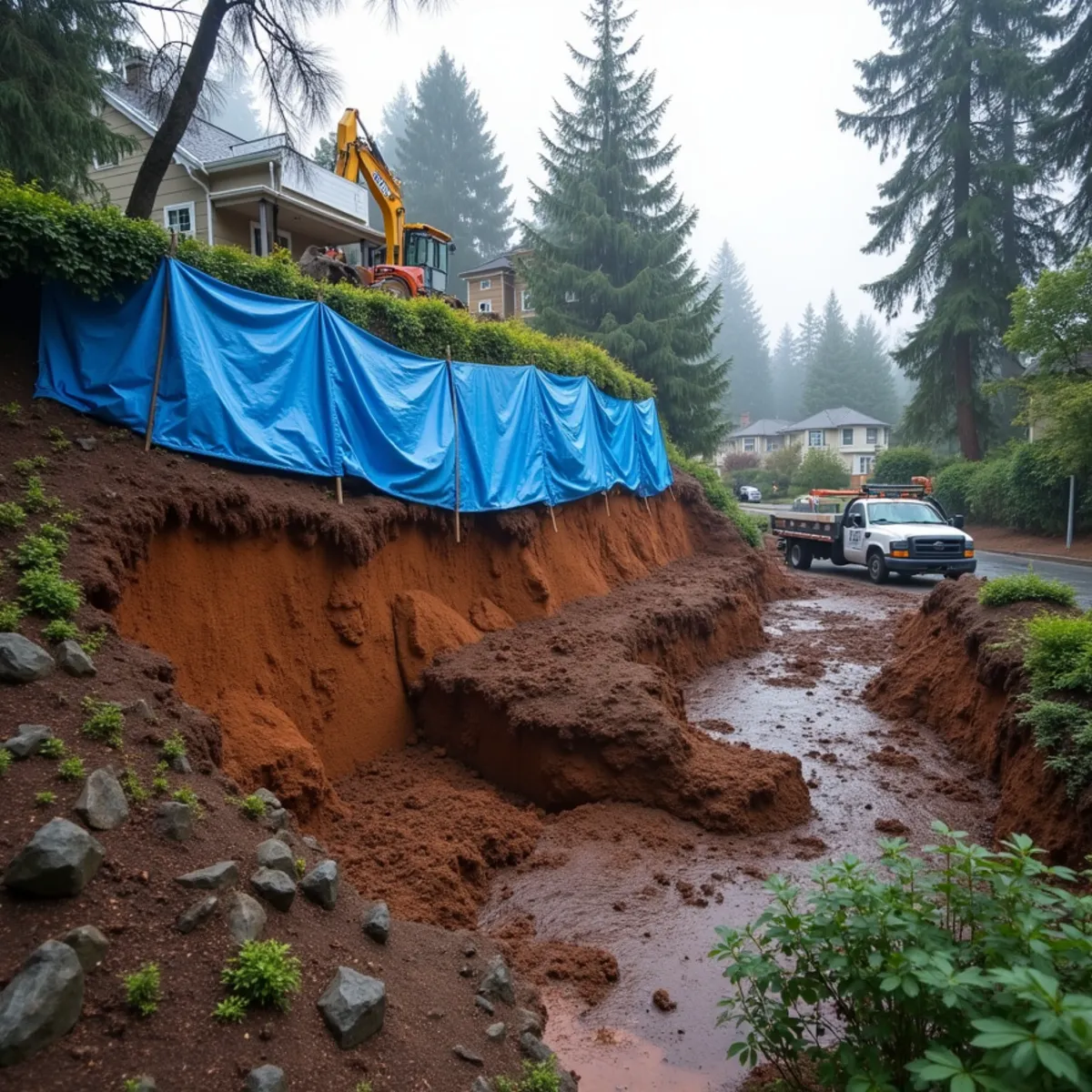
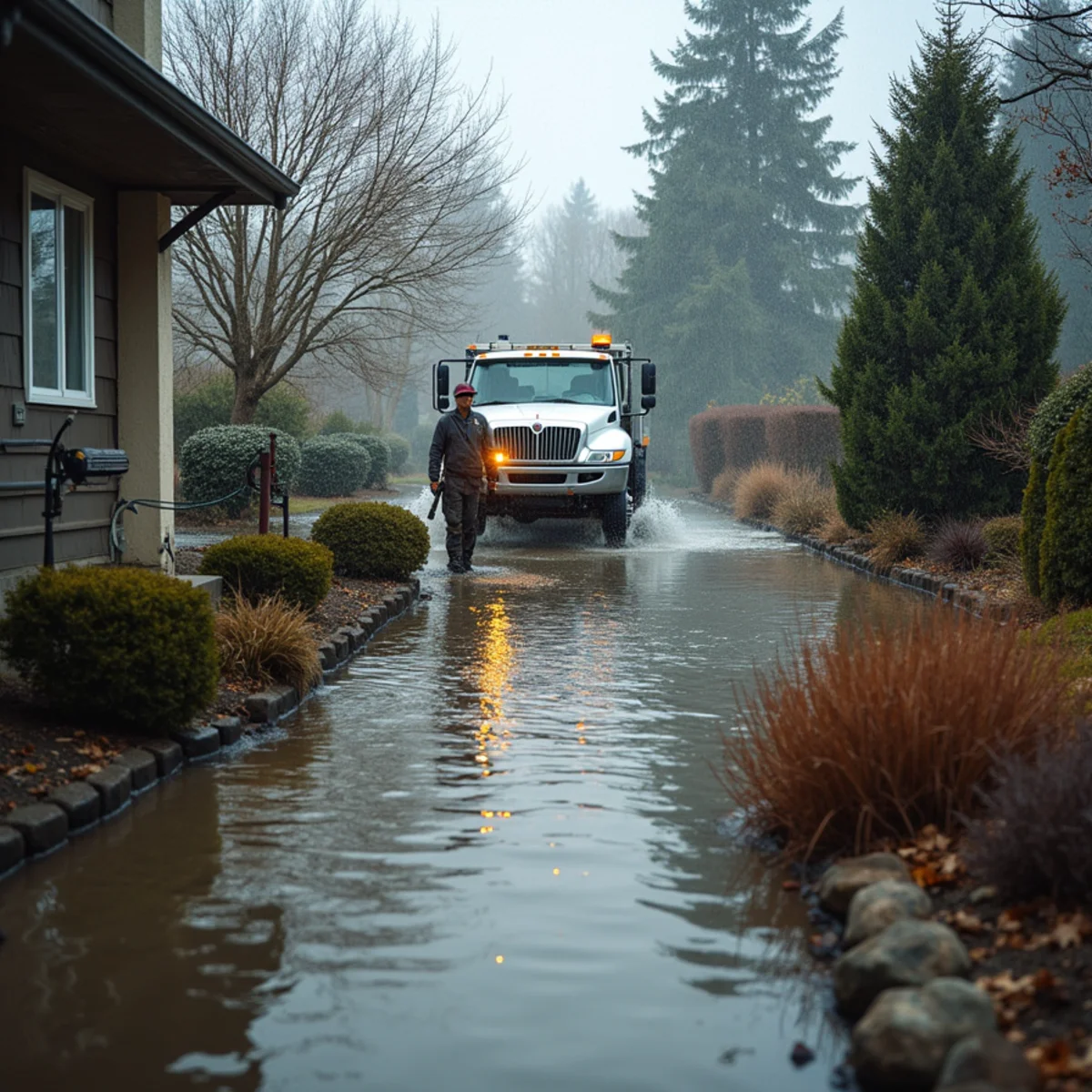
Moss thrives in precisely the conditions the Puget Sound serves up in abundance: shade, moisture, and acidic soil. Our long wet season keeps the ground damp for months, our tree canopy and north-facing yards create ample shade, and our native soils tend toward the acidic side that moss prefers and grass tolerates poorly. Add compacted glacial till that drains slowly and stays wet, and you have a nearly ideal moss habitat.
Grass, by contrast, wants sun, good drainage, and near-neutral soil, conditions that are the exception rather than the rule in many Eastside yards. Where grass is stressed by shade and constant moisture, it thins, and every thin or bare spot is an opening moss is delighted to fill. The moss is not attacking a healthy lawn so much as occupying the ground the grass cannot hold.
This is why moss feels unbeatable here: the environment itself favors it. You are not correcting a temporary imbalance, you are fighting the regional climate, and the climate does not relent. Understanding that reframes the problem, because it explains why treatments keep failing and why a different kind of solution is needed.
Why Iron Treatments and Moss Killers Provide Only Temporary Relief
Iron-based moss killers and similar products do work in the narrow sense: they turn moss black and kill what is currently growing. Raking out the dead moss afterward leaves the lawn looking better for a while. The problem is that none of this changes the conditions that grew the moss in the first place, and so the moss simply returns as the shade, moisture, and acidity remain.
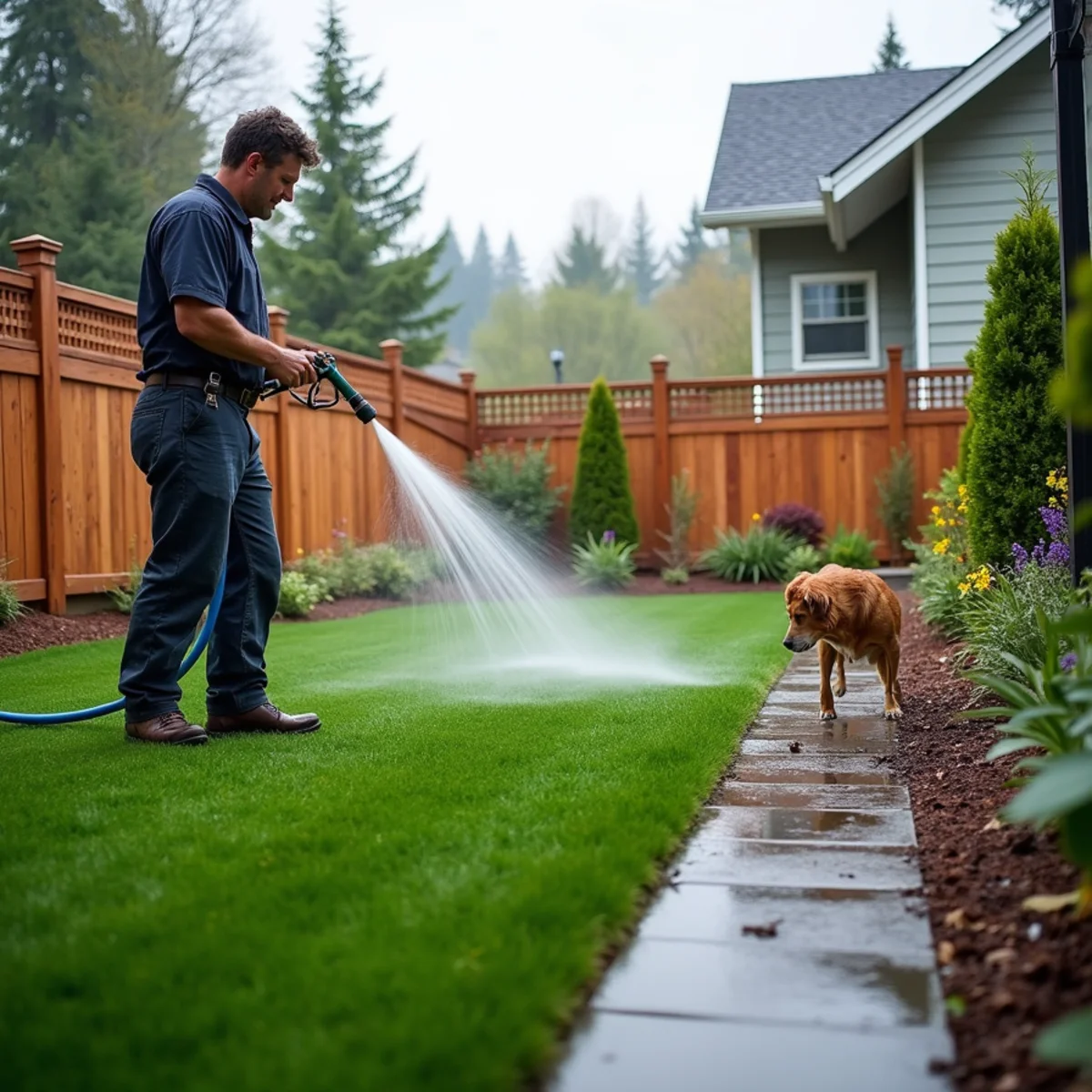
The cycle becomes a seasonal chore that never ends: treat, rake, reseed the bare patches, and watch the moss creep back by the next wet season. Each round costs time, money, and effort, and it can involve repeated chemical application to a yard where children and pets play. For all that work, the lawn is never actually won, only held at bay until the treatment wears off.
This is the fundamental limit of the treatment approach. It targets the symptom, the moss you can see, while leaving the cause, a climate and soil that favor moss over grass, completely intact. As long as the conditions persist, so will the moss, which is why so many homeowners feel like they are running to stay in place.
European Crane Fly Larvae: Compounding the Lawn Destruction
As if moss were not enough, our wet climate also favors the European crane fly, whose larvae, sometimes called leatherjackets, live in the soil and feed on grass roots and crowns. Thriving in the same damp conditions moss loves, these larvae are widespread in Pacific Northwest lawns, and their feeding thins and kills grass from below, often in patches that appear in late winter and spring.
The two problems reinforce each other. Crane fly larvae weaken and bare the grass, and every weakened or bare patch is another foothold for moss. A homeowner treating the moss on top may never realize that larvae underground are undoing the lawn faster than reseeding can rebuild it, which makes the natural lawn feel like it is failing on two fronts at once, because it is.
Controlling crane fly larvae is its own recurring challenge, often involving timing treatments to the insect's life cycle, and it adds yet another maintenance burden to a lawn that is already losing to moss. Together, moss above and larvae below make a healthy natural lawn genuinely difficult to sustain in this region without constant intervention.
How Synthetic Turf Eliminates Moss, Mud & Chemical Treatments Forever
Synthetic turf breaks the cycle by removing what moss and crane fly larvae need to survive. There is no living grass for larvae to eat and no acidic soil surface for moss to colonize, and a properly draining turf system does not hold the standing surface moisture that moss depends on. The conditions that made your natural lawn a moss habitat simply no longer exist.
That eliminates the entire maintenance cycle in one step. No more seasonal moss killer, no more raking out dead moss, no more reseeding bare patches, no more timing treatments to a crane fly's life cycle, and no more chemical applications to the yard your family uses. The mud that comes with a thin, moss-ridden, larvae-damaged lawn disappears too, because a turf lawn stays firm and clean through the wet season.
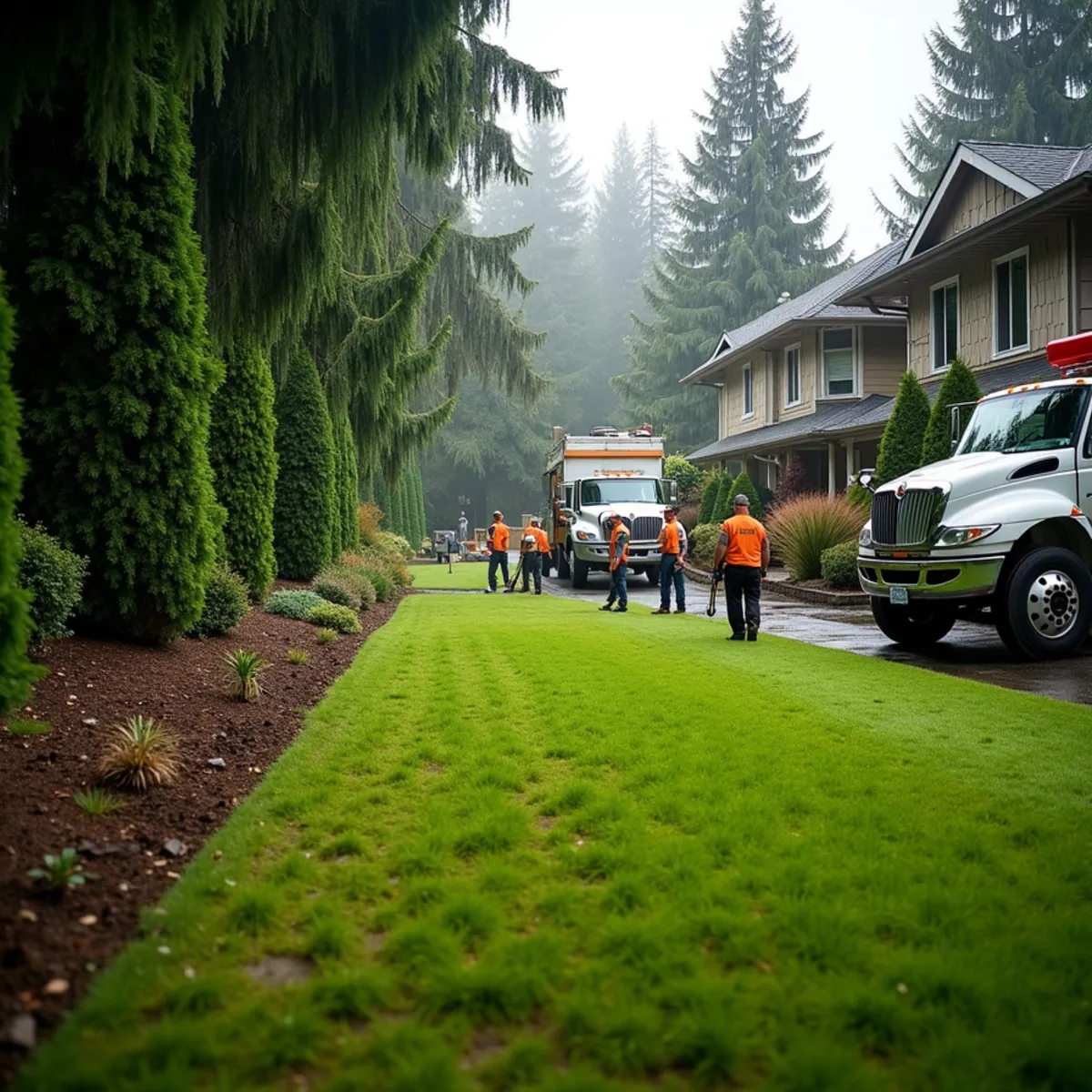
The result is a green, even lawn year-round with none of the underlying war. Our synthetic turf installation, including pet-friendly turf and dog run systems for households with animals, converts a losing seasonal battle into a permanently solved problem. It is not a treatment that works for a while; it is the removal of the conditions the problem needs.
Proper Sub-Base Geotextile Membrane Installation to Block Weeds
A turf lawn's freedom from moss and weeds is built into its base, not sprayed on later. A key layer is a geotextile membrane, a woven fabric installed between the prepared sub-base and the turf that blocks weeds and unwanted growth from pushing up through the lawn while still allowing water to drain through freely. It is a physical barrier where a natural lawn has none.
This membrane, combined with the open-graded aggregate base we build beneath every installation, creates a lawn that neither hosts moss nor admits weeds from below, and that drains cleanly through our wet season. The base does the work that endless treatments try and fail to do on a natural lawn, and it does it passively, for the life of the installation, without chemicals or seasonal labor.
This is why base quality is everything in turf. A properly layered system, sub-base, drainage, geotextile, aggregate, secured turf, and appropriate infill, is what makes the moss-free, weed-free, mud-free result durable rather than temporary. The lawn looks simple on top precisely because the engineering underneath is doing its job.
Book a Turf Consultation for Your Mossy Eastside Yard
If you are tired of losing the same fight against moss every year, the permanent solution starts with a look at your yard. We come out, assess the shade, drainage, and soil that have been feeding your moss problem, and design a turf system that ends it. You will see exactly how the base and membrane will be built to keep the lawn green and clean for good.
As a licensed, bonded, and insured contractor with over fourteen years installing turf across the shady, wet, mossy Eastside, we know these conditions intimately and build for them. Serving Kirkland, Woodinville, Bothell, and the surrounding communities, we can turn the yard you have been chemically maintaining into one you simply enjoy. The moss has been winning long enough.
Why the moss keeps winning on Seattle lawns
Homeowners treat moss like an invader, but moss isn't the disease; it's the symptom. It thrives in exactly the conditions most Seattle lawns offer: shade, compacted acidic soil, poor drainage, and cool wet winters. Grass struggles in those same conditions, so every time you kill the moss, you've just cleared bare ground in an environment where moss grows better than grass. Within a season it's back, because nothing about the site changed.
The lime-and-moss-killer cycle is the thing we watch people repeat for years. It works for a few weeks each spring, then the shade and moisture reassert themselves. On top of that, our lawns fight European crane fly larvae chewing the roots and hardpan that keeps the soil soggy. You can pour money into a lawn that the climate and soil are fundamentally hostile to, or you can change the surface.
That's why turf ends the fight rather than continuing it. On a properly built open-graded base, water drains through instead of pooling, there's no soil for moss to colonize, and the shade that doomed the grass no longer matters. It's not that turf resists moss chemically; it's that it removes the wet, bare, compacted conditions moss needs.
Pro tips from our crew
- Recognize moss as a site-condition signal: shade, compaction, low pH, and poor drainage, not a standalone weed.
- If your lawn is more than half shaded, grass will keep losing to moss no matter how much lime you apply.
- Rake dead moss out before it mats; a thick moss layer holds water and worsens the drainage problem beneath.
- Turf on an open-graded base removes the soil and standing water moss needs, ending the annual treatment cycle.
- For shaded, chronically mossy strips where grass never establishes, turf usually costs less over ten years than repeated reseeding.
Frequently Asked Questions
Because moss killers remove the moss but not the conditions that grow it. Our shade, constant winter moisture, and acidic, slow-draining soil favor moss over grass year after year. Until those conditions change, the moss returns. That is the core limit of any treatment-based approach in this climate.
Yes, because it removes what moss needs. A properly installed turf system has no acidic soil surface to colonize, no living grass for crane fly larvae to damage, and drainage that prevents the standing surface moisture moss depends on. With those conditions gone, the moss cycle ends rather than pausing until the next treatment wears off.
In this region they are frequently caused by European crane fly larvae, or leatherjackets, which live in the soil and feed on grass roots and crowns in the damp season. They thin and kill grass in patches, which then gives moss more room to spread. Turf eliminates the larvae's food source entirely.
A geotextile membrane installed between the sub-base and the turf acts as a physical barrier that blocks weeds and unwanted growth from pushing up, while still letting water drain through. Combined with an open-graded aggregate base, it keeps the lawn weed-free passively, for the life of the installation, without seasonal spraying.
A thin film of moss or algae can appear on turf in deep, permanently damp shade, but it sits on the surface rather than rooting in soil, so it rinses off easily and doesn't take over the way it does on a living lawn. Good drainage under the turf and occasional cleaning keep it away. It's a minor maintenance item, not the losing battle you fight with a real lawn.
That's one of the clearest cases for turf. Dense evergreen shade plus our wet winters is an environment grass can't win, and you'd be reseeding forever. Turf gives you a clean green surface under those trees without the annual treatment cycle. Call (323) 606-0255 and we'll look at the shade and drainage before recommending anything.
Moss dominates Seattle lawns because our shade, moisture, and acidic soil are built for it, and crane fly larvae working underground only widen the openings moss fills. Treatments will always be temporary against a climate that never relents, which is why the durable answer is to remove the conditions the problem needs rather than to keep fighting the symptom season after season.
Synthetic turf ends the cycle of moss, mud, larvae, and chemicals with a properly engineered base and weed-blocking membrane that stay green and clean year-round. If you are ready to stop losing the same fight every spring, call Seattle Pro Turf at (323) 606-0255 for a free turf consultation and estimate for your mossy Eastside yard.
Ready to move from reading to results? Our synthetic turf installation and pet-friendly turf & dog runs crews handle projects like this across the Eastside — including Kirkland and Woodinville. Call (323) 606-0255 for a free estimate.
Get expert help on your project
SeattleProTurf · 14+ years serving the Eastside · Licensed & insured