City of Bellevue Impervious Surface Limits & Drainage Regulations
The short answer
Bellevue caps how much of a lot can be covered by impervious surfaces — roofs, driveways, patios, and slabs — and triggers stormwater review when you add enough hard surface. Permeable pavers and open-graded bases can help you stay under the limit. Confirm your lot's threshold and drainage requirements before adding hardscape.
Before you add a patio, expand a driveway, or pour a new surface in Bellevue, there is a number that governs how much you are allowed to build: your lot's impervious surface limit. Bellevue, like other jurisdictions managing the flood of stormwater our climate produces, caps the share of a property that can be covered by surfaces water cannot pass through. A large hardscape project can push a lot over that cap, turning a simple backyard upgrade into a code and drainage question.
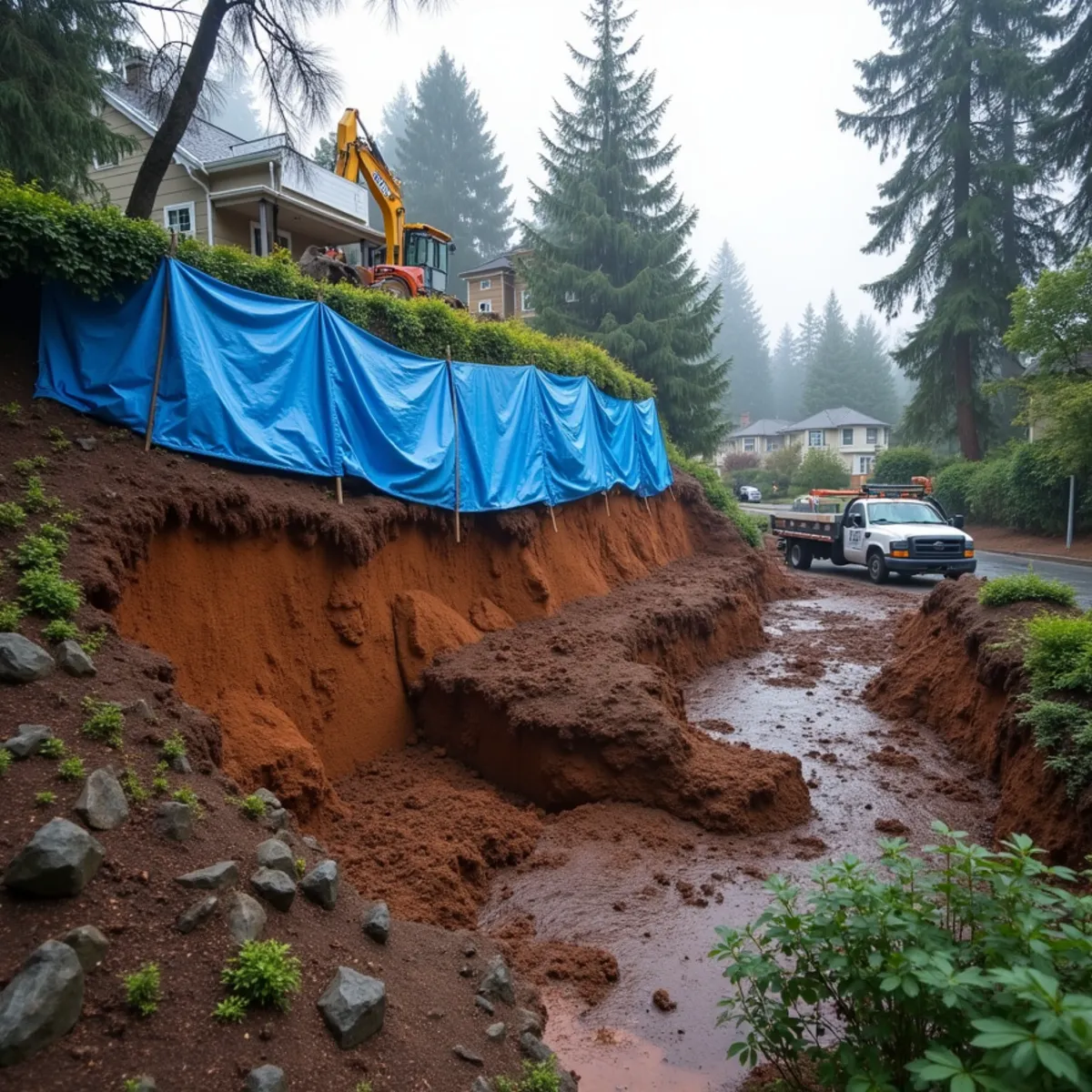
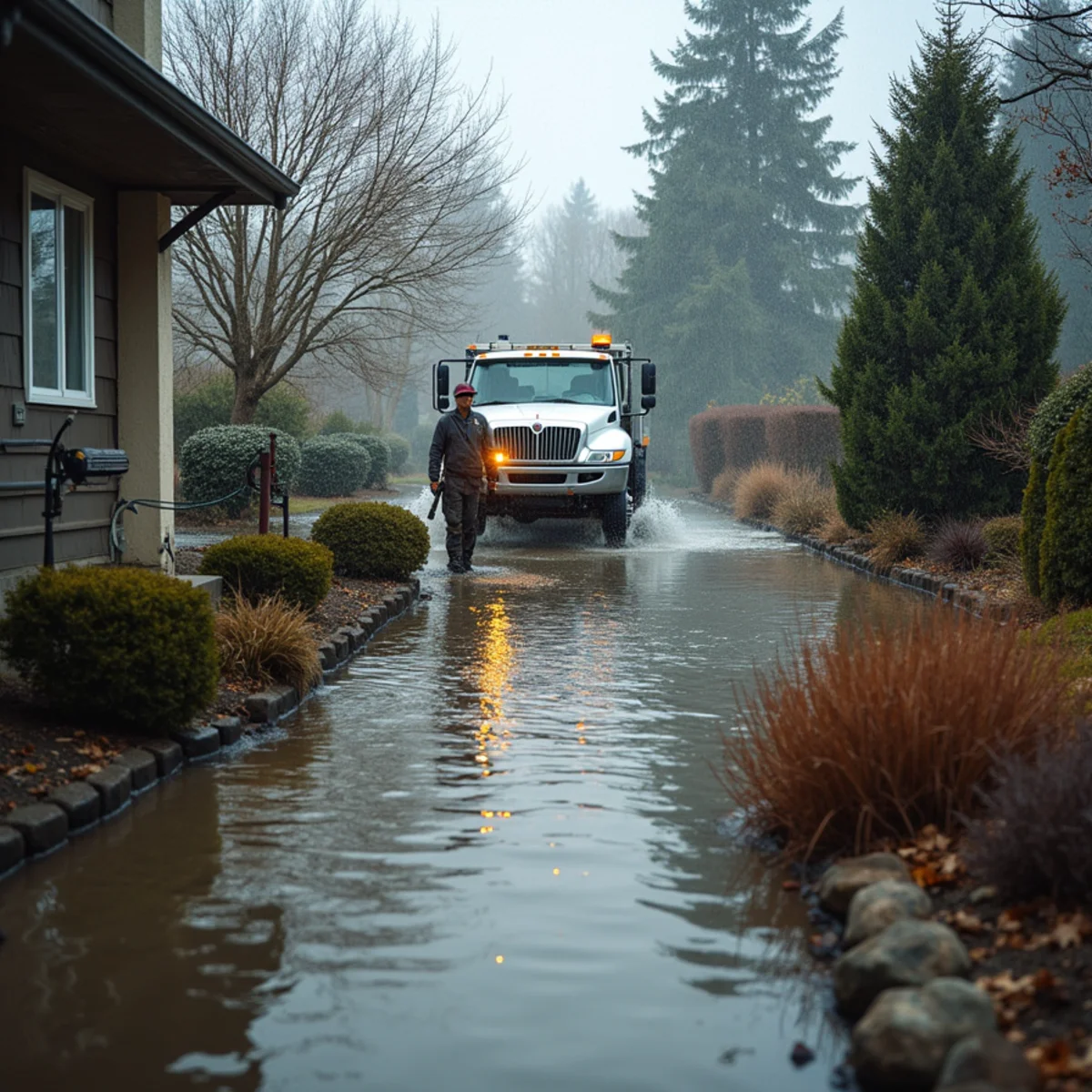
These rules exist because water that cannot soak into the ground has to go somewhere, and in a built-up city that means overwhelmed storm systems, erosion, and pollution carried into Lake Washington and the region's streams. Bellevue's land use and stormwater codes are the city's answer, and they shape what materials you choose, how much you can cover, and whether you have to manage the runoff your project creates. Understanding impervious surface, and the permeable options that help you stay under the limits, is the key to a hardscape project that gets approved. This is how the rules work and how good design keeps you compliant.
Key takeaways
- Bellevue limits how much of a lot can be covered by impervious surfaces like roofs, driveways, patios, and slabs.
- Adding enough hard surface can trigger stormwater review and additional drainage requirements.
- Permeable pavers and open-graded bases can count differently and help you stay under the impervious cap.
- Your allowable coverage depends on lot size and zoning, so the threshold varies property to property.
- Managing runoff on site — not sending it to neighbors or the street untreated — is a core requirement.
- Confirm your lot's specific limits and drainage rules with the City before designing new hardscape.
What Counts as Impervious Surface in City of Bellevue Land Use Codes
Impervious surface is, broadly, any hard surface that prevents water from soaking into the soil and instead causes it to run off. In practice that includes the obvious culprits: rooftops, standard concrete and asphalt driveways, solid patios, walkways, and any sealed hard surface. Bellevue's codes limit how much of a given lot can be covered by these surfaces, expressed as a percentage or coverage figure that varies with the zoning and lot.
The reason this matters for a hardscape project is cumulative. Every existing impervious surface on the property counts toward the limit, so your house, garage, driveway, and existing patios have already used up part of the allowance before you add anything new. A homeowner planning a generous new patio or a driveway expansion can be surprised to find the lot is already near its cap, leaving little room for a conventional solid surface.
Because the specifics, what counts, how it is measured, and the exact limit, depend on the property's zoning and the current code, the practical first step for any significant project is to understand where your lot already stands. That accounting determines how much new hardscape you can add conventionally, and whether you need to choose surfaces that the code treats more favorably. It is far better to know this at the design stage than to discover it during permit review.
How Permeable Pavers Help Homeowners Comply with Lot Coverage Caps
This is where permeable pavers become more than an aesthetic or durability choice; they are a compliance tool. Because permeable pavers are set with open, aggregate-filled joints over an open-graded base reservoir, they let rainwater pass through the surface and infiltrate into the ground below rather than shedding it as runoff. That fundamental difference is what jurisdictions recognize when they treat permeable systems more favorably than solid surfaces.
Buying Back Lot Coverage
For a homeowner bumping against an impervious surface cap, choosing a permeable system instead of solid concrete can be what makes a project feasible. A permeable driveway or patio that infiltrates its own rainfall may not count against the impervious limit the way a sealed surface does, effectively buying back coverage and letting you build the hardscape you want within the rules. The exact credit depends on the code and the system's design, so it must be confirmed for your project, but the principle consistently favors permeable construction.
Managing Water at the Source
Beyond the coverage math, permeable pavers manage stormwater right where it falls, reducing the runoff the city is trying to control in the first place. That aligns the project with the intent of the code, not just the letter of it, which tends to make review smoother. A properly built permeable system in our glacial soils requires careful base design to work, which is where professional installation matters, but done right it satisfies both the homeowner's design goals and the city's water goals at once.
Does Artificial Turf Count as Impervious or Pervious Surface
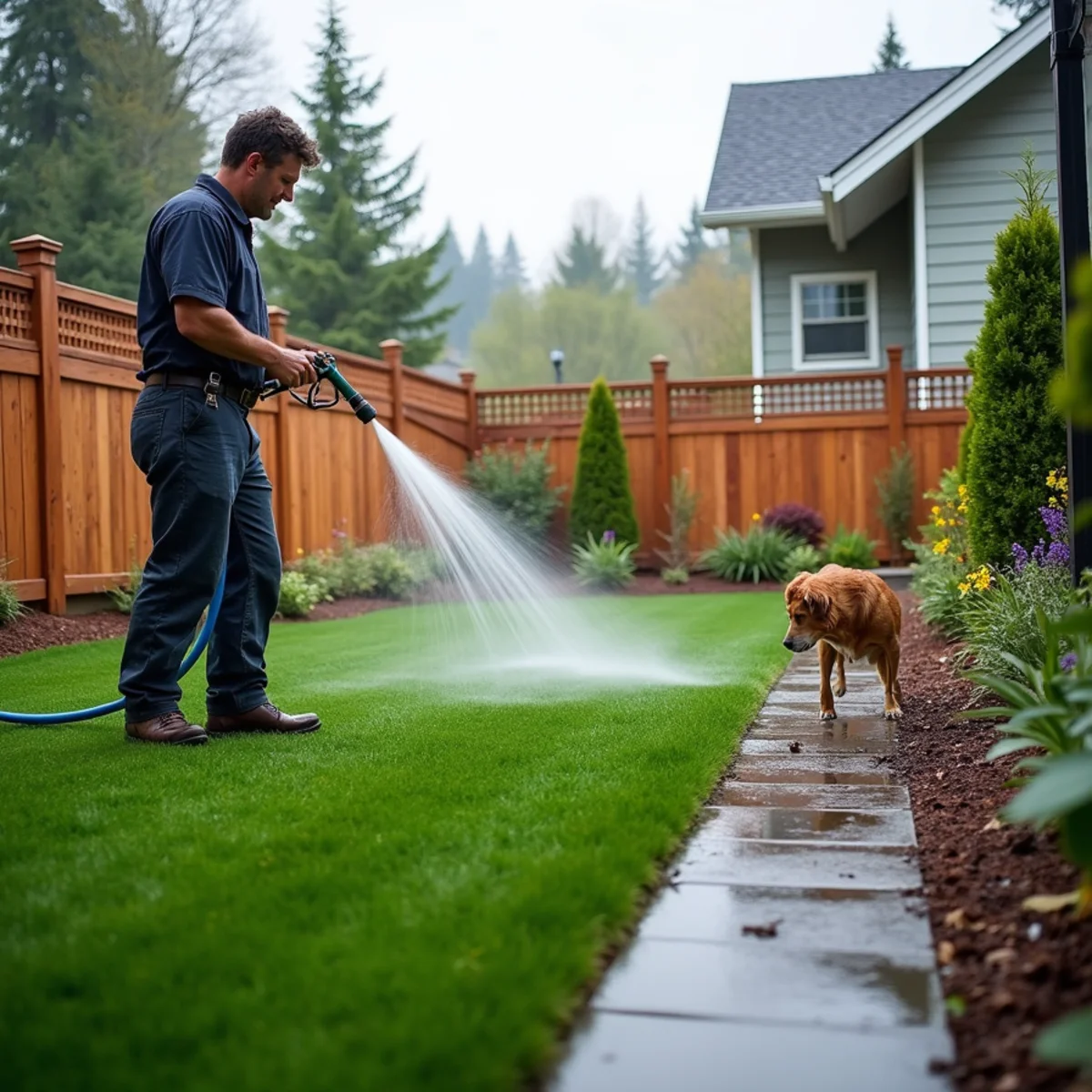
A question that comes up constantly, because so many Eastside homeowners are replacing lawn with turf, is how artificial turf is classified. The answer is not automatic, and it depends on how the turf is installed and how the specific code treats it. Turf built over a proper open-graded crushed-rock base with a permeable backing allows water to drain through into the ground below, which is fundamentally a pervious behavior.
That said, jurisdictions vary in how they categorize synthetic turf, and some treat it differently depending on the base and drainage beneath it. A turf lawn installed over a compacted, free-draining permeable base that infiltrates water is very different, functionally and often in the eyes of the code, from turf laid over an impermeable surface. Because the classification affects your impervious surface calculation, and because it can turn on installation details, it is worth confirming with the city how your specific turf installation will be treated. Installing turf on a genuinely permeable base not only performs better in our wet climate but also gives you the strongest position that the surface manages its own water. When the classification matters for compliance, the base design is part of the compliance strategy.
Stormwater Retention Mandates for Major Yard Renovations
For larger projects, Bellevue's rules go beyond limiting impervious coverage and can require you to actively manage the stormwater your renovation creates. When a project adds or replaces enough hard surface, it can trigger stormwater retention or detention requirements, meaning you must capture and slowly release, or infiltrate, the runoff generated by the new surfaces so you are not simply dumping more water into the city system.
These mandates scale with the size of the project. A modest patio may fall below the threshold, while a major yard renovation that adds significant new hardscape can cross it and require an engineered stormwater solution, such as infiltration systems, detention, or permeable surfaces designed to hold and release water at a controlled rate. This is where hardscape design and drainage engineering merge, because the surfaces you choose and the drainage you build have to work together to meet the retention requirement. Planning for it from the outset, rather than discovering the mandate late in permitting, keeps a major renovation on schedule and on budget, and often the same permeable and infiltration strategies that satisfy the retention rule also solve the drainage problems our soils create.
Submitting Hardscape Plans to the Bellevue Development Services Department
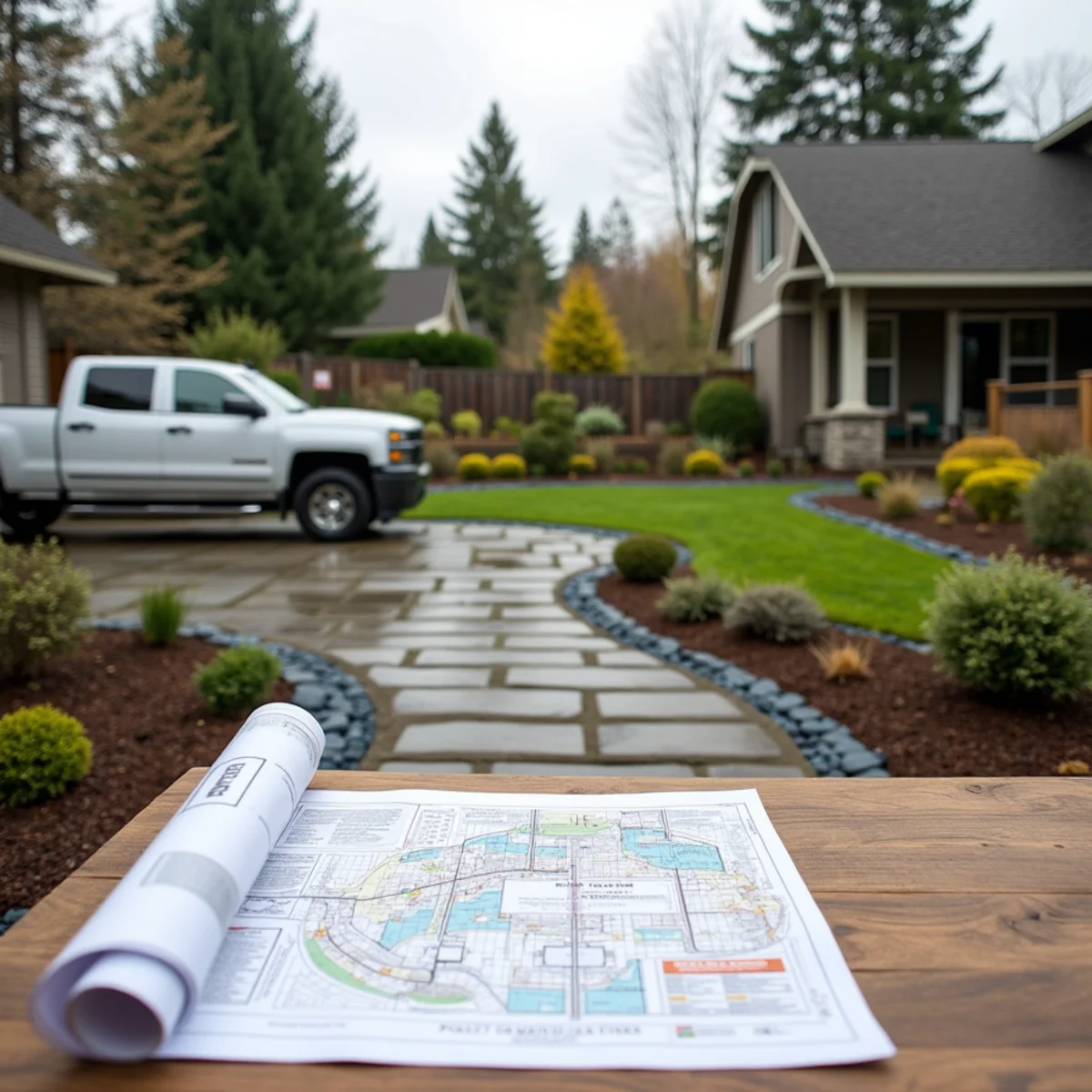
Projects that trigger these rules generally require review, which means submitting plans to Bellevue's Development Services Department. The review confirms that the project stays within impervious surface limits, meets any stormwater retention requirements, respects setbacks and other zoning provisions, and, where relevant, accounts for critical areas or other site constraints. For the homeowner, this is the checkpoint where a compliant design sails through and a non-compliant one gets sent back.
The plans that succeed are the ones that address the requirements deliberately, showing the impervious surface calculation, the permeable or infiltration strategies used, and how stormwater is managed. Assembling that package correctly, with the right materials specified and the water management designed to code, is what turns permit review from an obstacle into a formality. This is precisely the part of a project where an experienced, code-fluent contractor earns their place, because they design the hardscape to satisfy the review from the beginning rather than reacting to city corrections after the fact.
Work with Experienced Code-Compliant Hardscape Contractors
Bellevue's impervious surface limits, its rules on how turf and pavers are classified, its stormwater retention mandates, and its plan review together make hardscaping in the city a project that rewards code fluency. Choosing the right permeable materials, designing the drainage to satisfy retention requirements, and preparing plans that pass review are all far easier with a contractor who works within these codes routinely.
Seattle Pro Turf designs and builds code-compliant paver patios, permeable driveways, turf lawns, and yard drainage across Bellevue, Kirkland, and Mercer Island, with the impervious surface and stormwater rules built into the design from the start. Licensed, bonded, and insured under Washington license SEATTPT839LN, we help you build the hardscape you want in a way that stays within the limits and manages its own water, so the project is approvable and lasting.
How impervious limits quietly shrink your hardscape budget
Bellevue caps how much of a lot can be covered with impervious surface, and that number is a hard ceiling that most homeowners bump into halfway through planning a driveway, patio, and walkway all at once. The roof, the existing driveway, and any solid slab already count against the allowance, so by the time someone wants to add a big paver patio, there's often less room than expected. Exceeding the threshold can trigger stormwater review and on-site detention requirements, an underground vault or infiltration system, that can cost more than the hardscape itself.
The lever people miss is that permeable surfaces are treated differently than solid ones. A permeable paver driveway or patio, built over an open-graded aggregate reservoir that infiltrates rain on site, can count differently in the impervious calculation than a sealed slab of the same size. That difference sometimes lets a homeowner build the square footage they actually want and stay under the limit without a separate detention system. Designing for it from the start is far cheaper than redesigning after a plans reviewer flags the coverage.
The trap is assuming permeable automatically means exempt. Jurisdictions have specific criteria for how a permeable system must be built and maintained to earn the credit, and a system installed over tight glacial till without adequate reservoir depth or an underdrain may not perform, or qualify, as intended. Getting the drainage design right technically is what makes the code treatment hold up.
Pro tips from our crew
- Tally every impervious surface on the lot, roof, existing driveway, walks, and slabs, before adding hardscape, so you know how much allowance is left.
- Consider permeable pavers where you're near the limit; they can be counted differently and may let you build more surface without a detention vault.
- Design drainage before layout; discovering an impervious overage at plan review forces expensive redesign or an added detention system.
- Confirm the specific criteria your jurisdiction requires for a permeable surface to earn favorable treatment, not all installations qualify.
- Size the permeable reservoir for our clay soils, sometimes with an underdrain, so the system actually infiltrates and holds up to review.
Frequently Asked Questions
Broadly, any hard surface that keeps water from soaking in and sends it running off, including rooftops, standard concrete and asphalt driveways, and solid patios and walkways. These all count toward your lot's impervious surface limit, and existing surfaces are counted along with anything new you add.
Often yes. Because permeable pavers let rainwater infiltrate through the joints and base into the ground rather than shedding it, jurisdictions typically treat them more favorably than solid surfaces, which can effectively buy back lot coverage. The exact credit depends on the code and the system, so it should be confirmed for your project.
It depends on the installation and how the code treats it. Turf built over a proper open-graded, free-draining base with a permeable backing infiltrates water and behaves perviously, but classification can vary and turn on the base beneath it, so it is worth confirming with the city how your specific installation will be counted.
Larger projects that add or replace significant hard surface can trigger impervious surface review and stormwater retention requirements, requiring plans submitted to the Development Services Department. Smaller projects may fall below the thresholds, but any significant hardscape is worth checking against the current code before you build.
It's generally treated more favorably than a solid slab because it infiltrates stormwater on site, but only when it's built and maintained to the jurisdiction's specific standards. A permeable system that isn't sized or constructed correctly may not earn that treatment. Before you rely on it to stay under your coverage limit, confirm the criteria, or call (323) 606-0255 and we'll design it to qualify.
Adding or replacing enough impervious surface to cross the jurisdiction's threshold typically triggers stormwater review, which can require detaining and slowly releasing runoff through a vault or infiltration system. The exact trigger depends on how much new hard surface you're creating and the site's drainage. Reducing effective impervious area with permeable surfaces is often the cheaper path than building detention, which is why the drainage strategy should drive the design.
Bellevue's impervious surface limits and drainage regulations mean a hardscape project is as much about managing water as it is about design. What counts as impervious, how your permeable pavers and turf are classified, whether a major renovation triggers stormwater retention, and how your plans fare in review all shape what you can build and how. The good news is that the same permeable and infiltration strategies that keep you compliant also perform better in our wet soils, so building to code and building well tend to point the same direction.
Navigating those rules is far simpler with a contractor who designs to them every day and prepares plans that pass review the first time. Call Seattle Pro Turf at (323) 606-0255 to work with an experienced, code-compliant hardscape team and build a patio, driveway, or lawn that meets Bellevue's impervious surface and drainage requirements while giving you exactly the yard you want.
Ready to move from reading to results? Our paver patios & walkways and french drains & yard drainage crews handle projects like this across the Eastside — including Bellevue and Kirkland. Call (323) 606-0255 for a free estimate.
Get expert help on your project
SeattleProTurf · 14+ years serving the Eastside · Licensed & insured